How much does an electrician cost in Southern California?
Most home jobs here run from about $150 for a small repair to $8,000 or more for a rewire. The table below lists 25 common jobs with a typical installed range, its source and its date, and links to the page that explains each price.
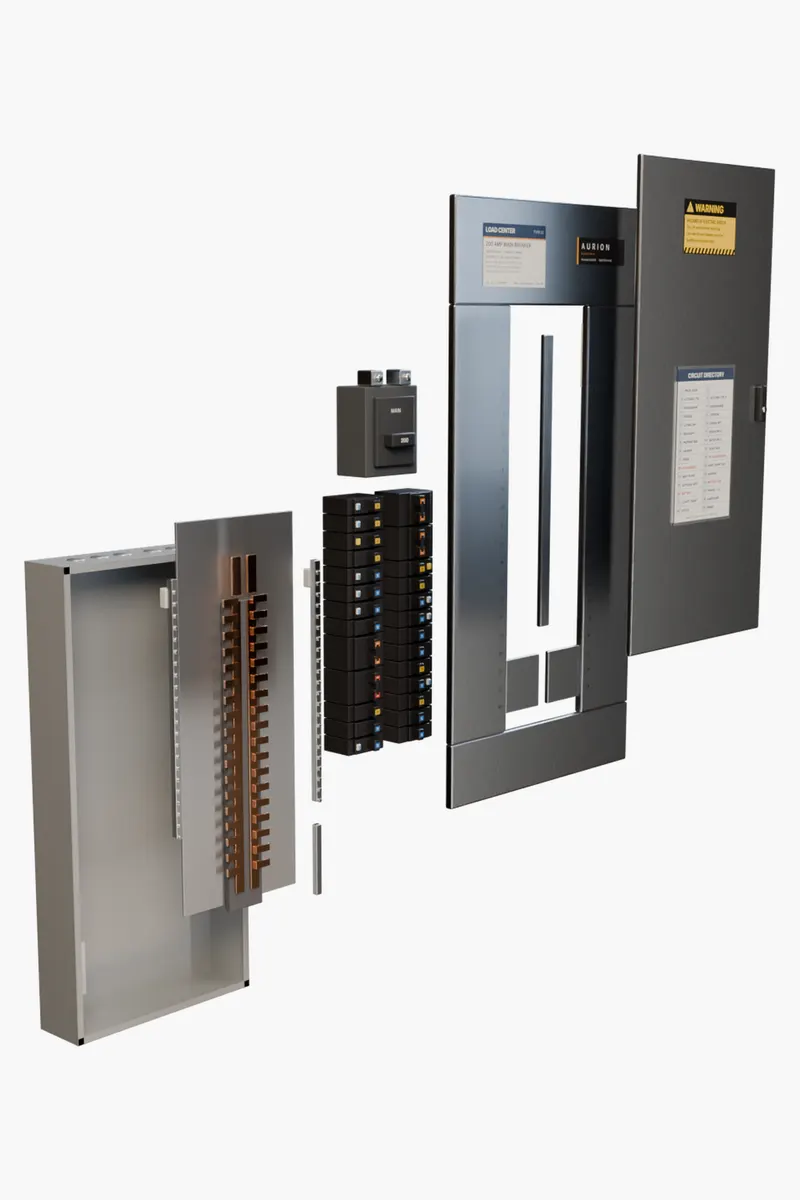
Panels and service
Capacity for chargers, heat pumps and pools. A swap in place is the low end; a meter move or new service run is the high end.
$1,200 to $12,000 across 5 jobs
Get a quote for this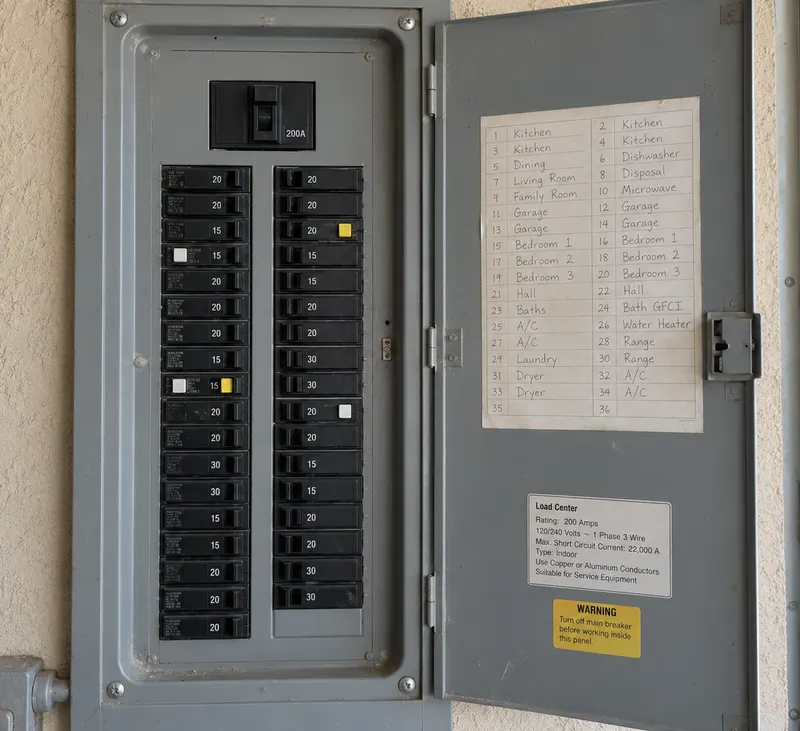
200 amp panel upgrade
Swap in place, permit
$2,500 to $4,500
$0$15,000What moves the price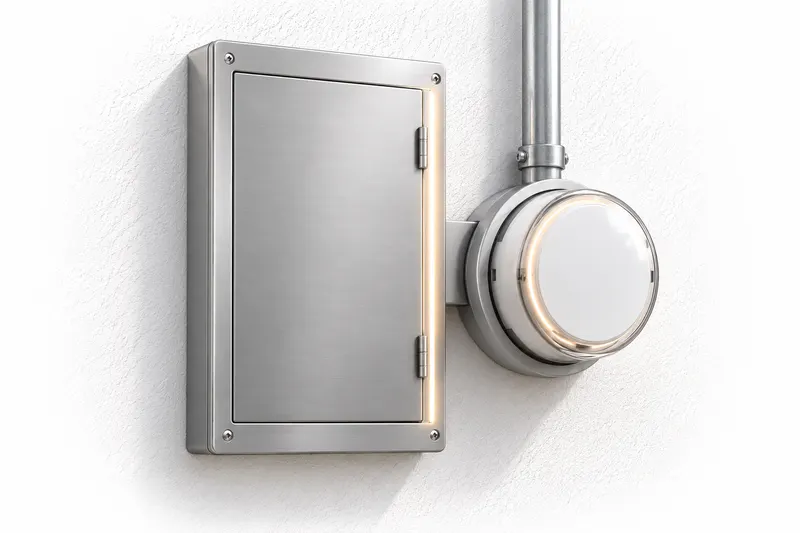
Electrical panel upgrade
100A to 200A swap in place, breakers, permit
$2,500 to $4,500
$0$15,000What moves the price400 amp service upgrade
400A service, meter socket, panel(s)
$8,000 to $12,000
$0$15,000What moves the price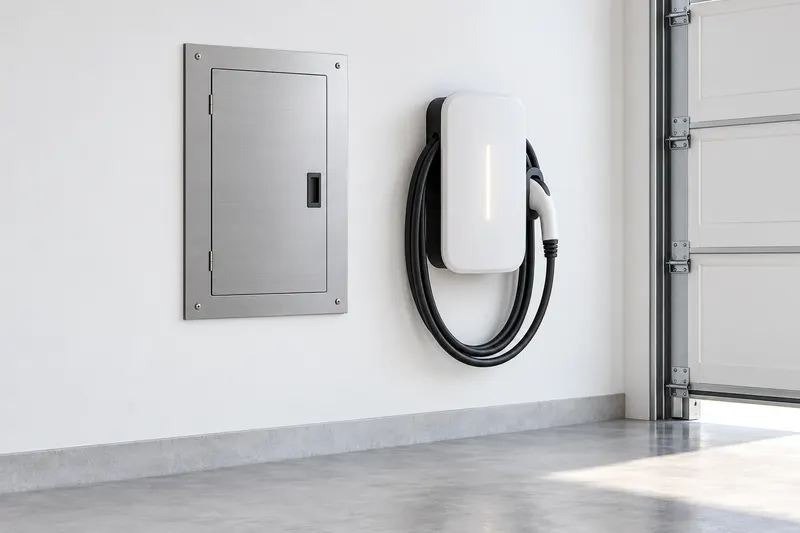
Subpanel for a garage, ADU or addition
Subpanel, feeder, breakers, permit
$1,200 to $2,800
$0$15,000What moves the price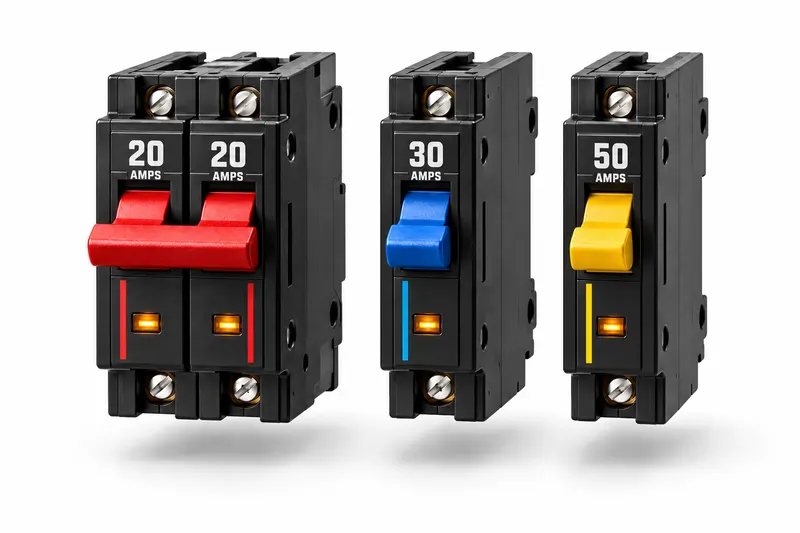
Replace a Zinsco or Federal Pacific panel
Same as a panel swap plus any damaged wiring found
$2,500 to $5,500
$0$15,000What moves the price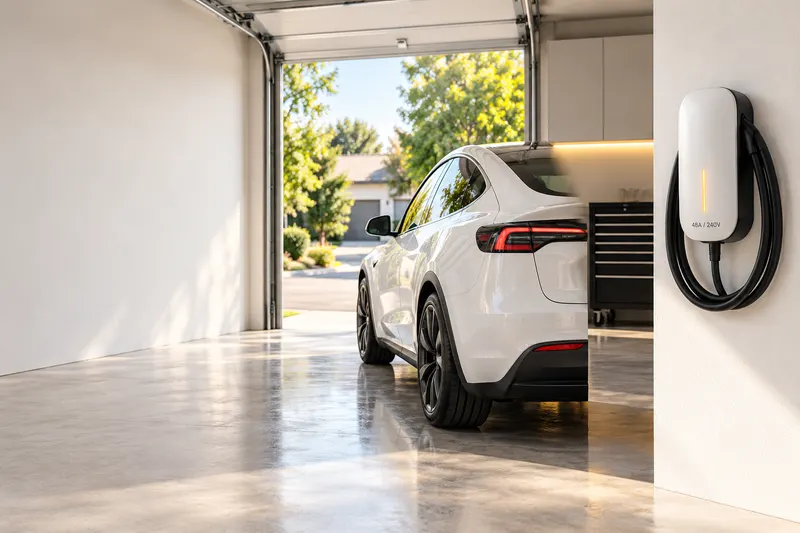
EV chargers
A 240 volt circuit, a mount and a permit. The charger itself is often extra.
$1,000 to $7,500 across 3 jobs
Get a quote for this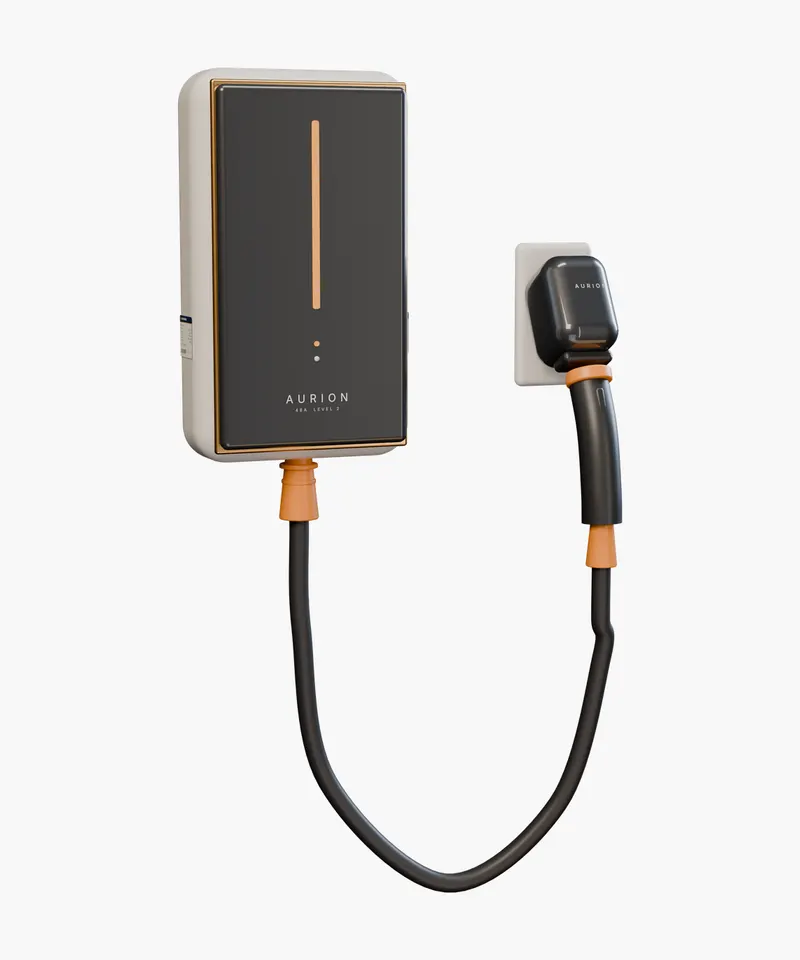
Level 2 EV charger installation
New 240V circuit, charger mounted, permit (charger often extra)
$1,000 to $2,000
$0$8,000What moves the price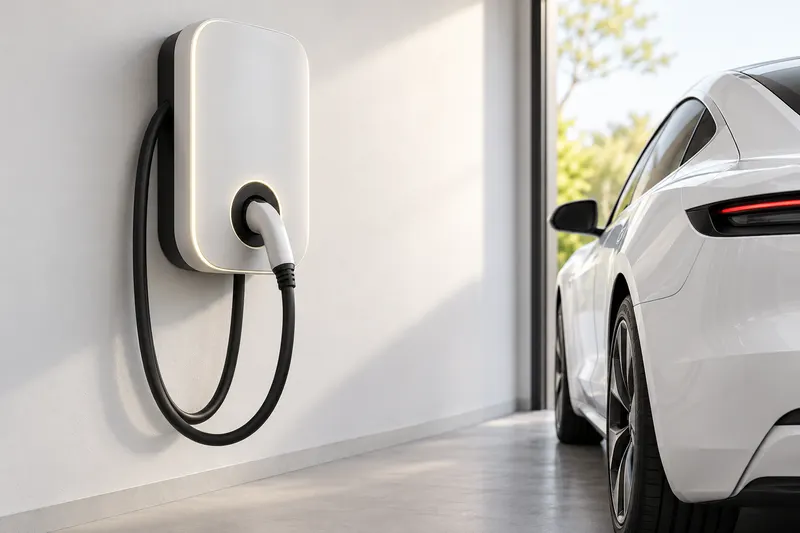
Tesla Wall Connector installation
Wall Connector supplied and installed, circuit, permit
$1,500 to $2,800
$0$8,000What moves the price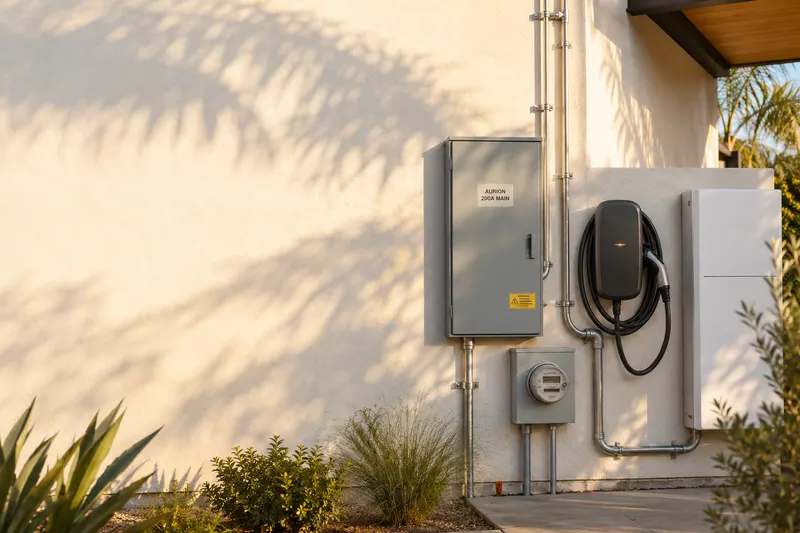
EV charger plus the panel work it needs
Panel upgrade or service work, charger circuit, permit
$3,600 to $7,500
$0$8,000What moves the price
Backup power
Keep key circuits on during an outage. Equipment is priced separately from the electrical work.
$400 to $4,000 across 4 jobs
Get a quote for thisGenerator interlock kit and inlet
Interlock $400 to $850; inlet box and cord raise it
$400 to $1,800
$0$4,000What moves the priceTransfer switch installation
Manual $400 to $1,300; automatic $600 to $2,500
$400 to $2,500
$0$4,000What moves the price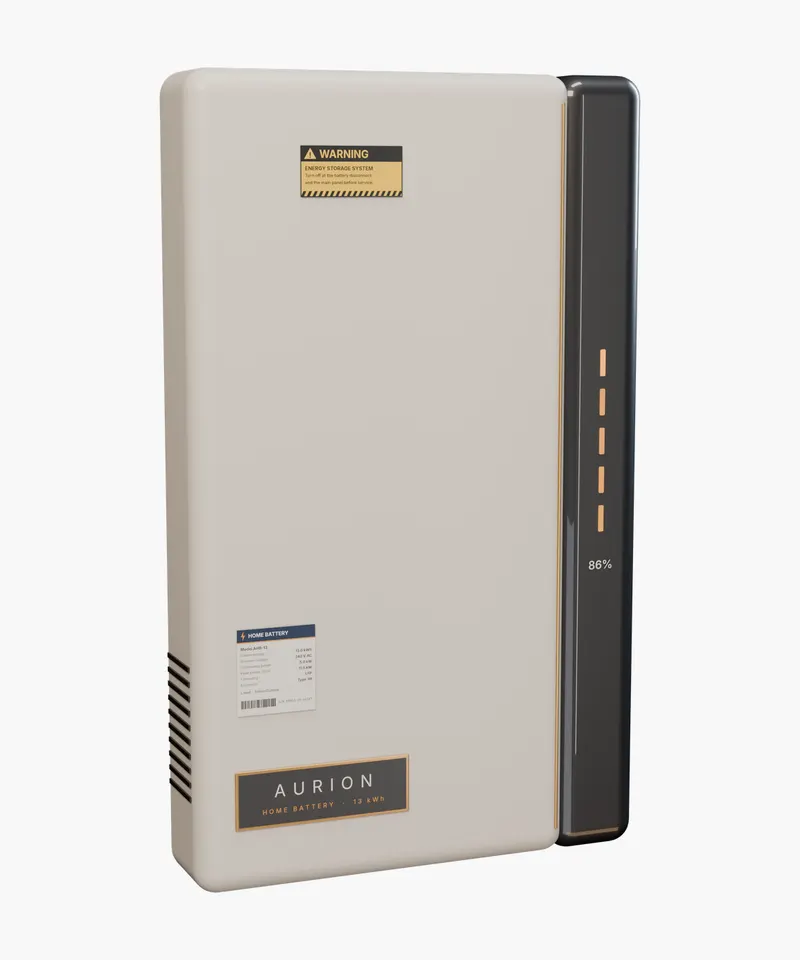
Home battery installation
Electrical side only; battery hardware extra and priced by the installer
$1,500 to $4,000
$0$4,000What moves the priceStandby generator electrical hookup
Electrical labor only; the generator is extra
$1,500 to $3,000
$0$4,000What moves the price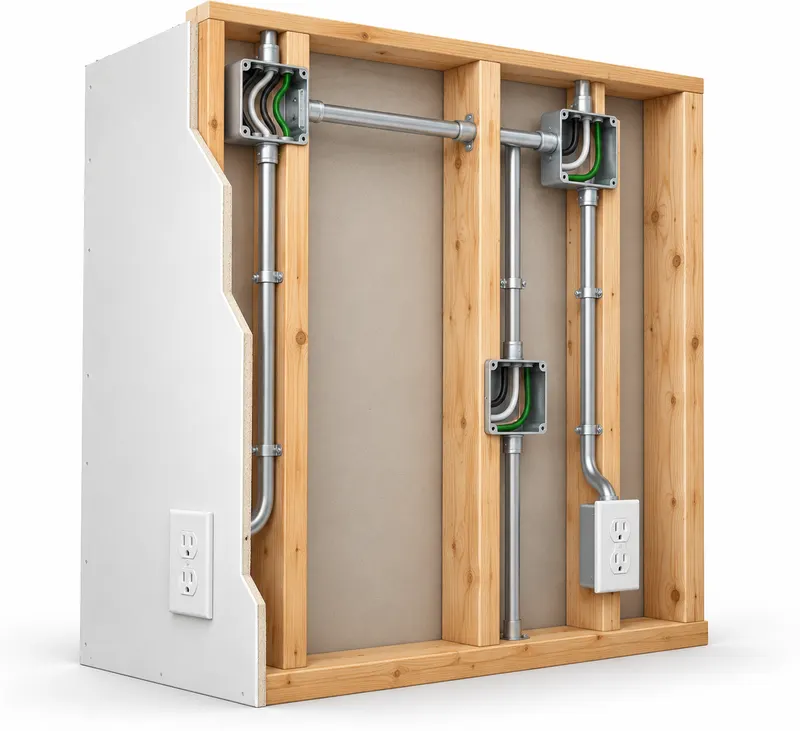
Rewiring and old wiring
Replace wiring that is old, unsafe or overloaded. Patching and painting are usually extra.
$8,000 to $20,000 across 2 jobs
Get a quote for this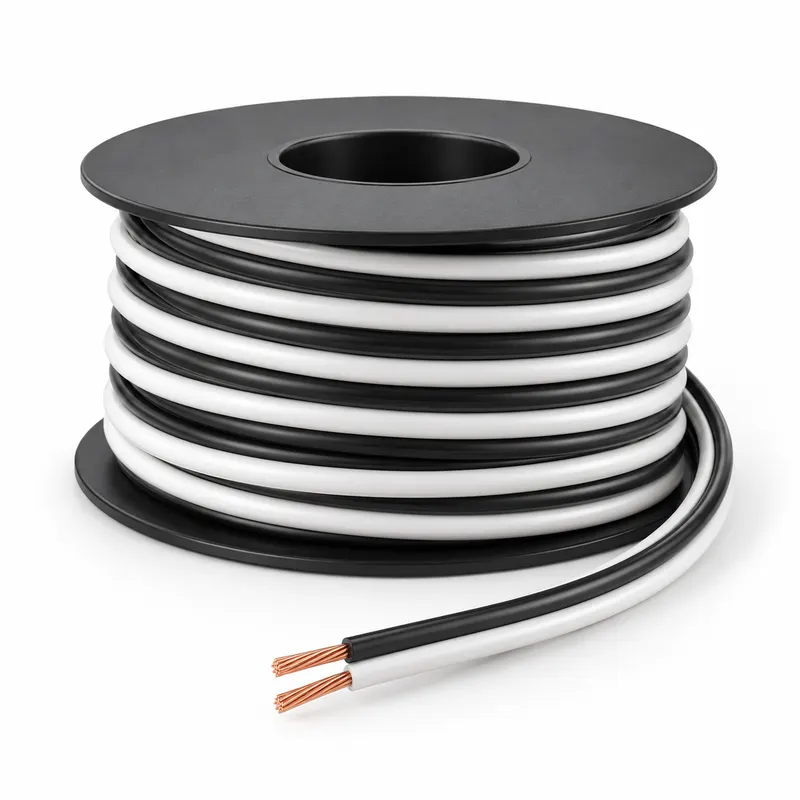
Repairs, service calls and checks
Small jobs, after-hours calls and inspections. Billing method matters as much as the work.
$135 to $1,500 across 6 jobs
Get a quote for thisElectrician service call and repair
Flat-rate repair $185 to $575 (desk range); national service call $176 to $327 and hourly $70 to $131 (Fixr)
$185 to $575
$0$1,500What moves the price
Emergency or after-hours electrician
After-hours premium, then the hourly rate; many electricians charge more outside regular hours (Fixr)
$350 to $1,200
$0$1,500What moves the price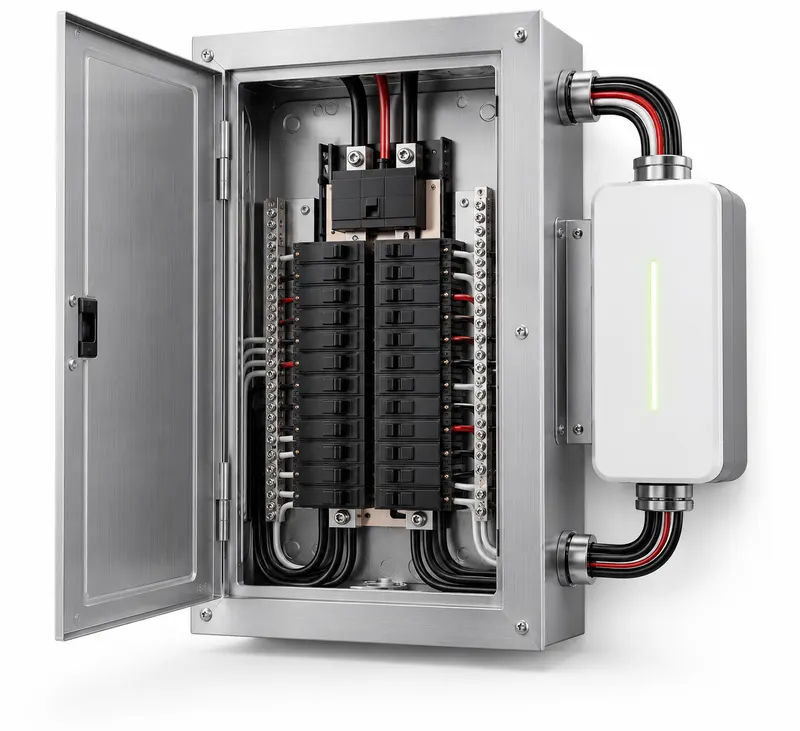
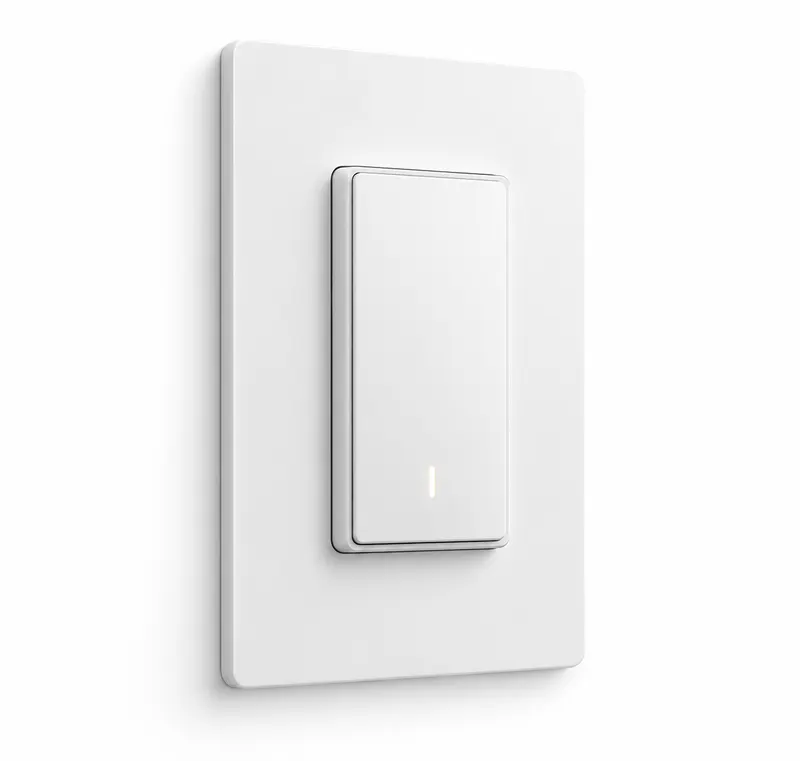
Outlets, GFCI and dedicated circuits
Outlet install $120 to $200 and 15A GFCI up to $275 (Fixr); 20-amp outlet $100 to $150 (Fixr); the $135 to $850 range is a desk range, and its top end covers a full dedicated circuit from the panel, which no neutral guide prices
$135 to $850
$0$1,500What moves the price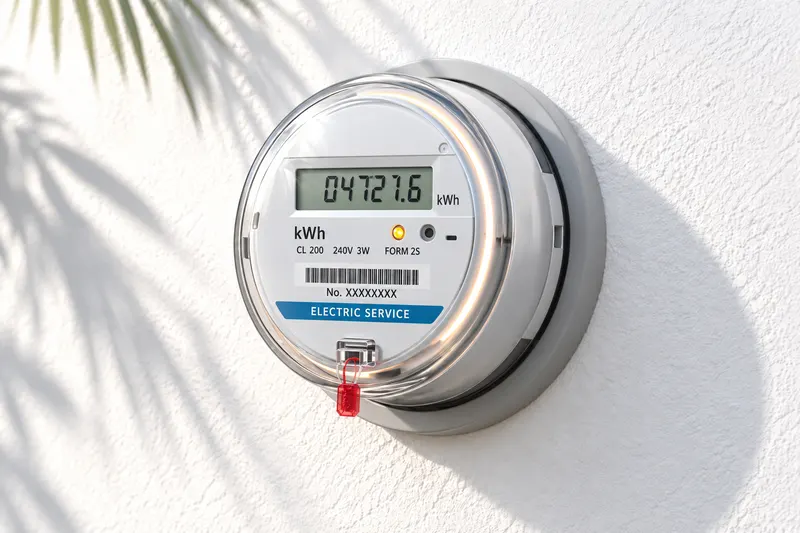
Whole-home surge protector
Panel-mounted device, installed. Angi's main article shows $70 to $700; its HomeAdvisor-sourced page shows $200 to $800
$200 to $800
$0$1,500What moves the price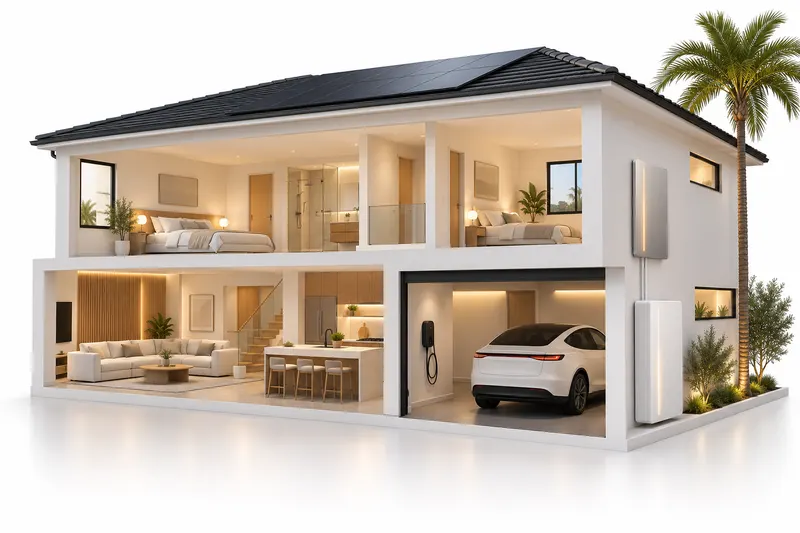
Electrical inspection or code-violation fix
Inspection visit and typical corrections
$300 to $1,500
$0$1,500What moves the price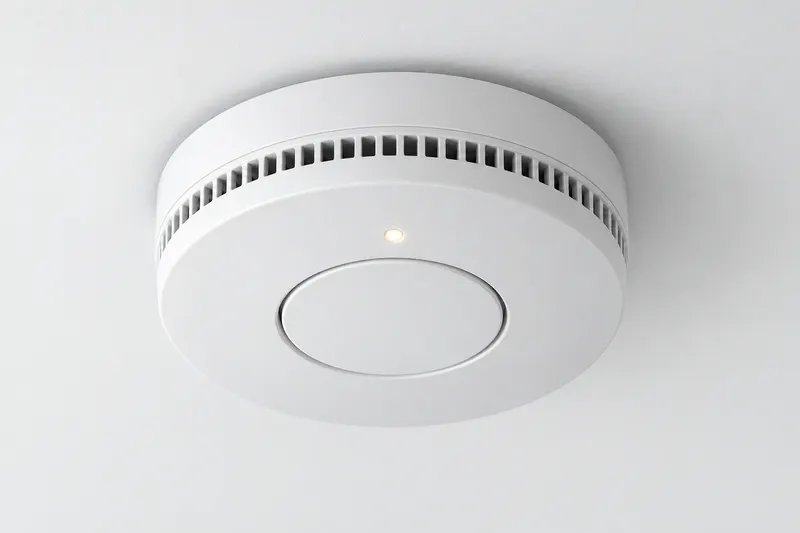
Hardwired smoke and CO detectors
Per detector or small set, interconnected
$150 to $450
$0$1,500What moves the price
Lighting and fans
Priced per fixture or per room. Existing boxes and ceilings keep the price down.
$125 to $415 across 2 jobs
Get a quote for this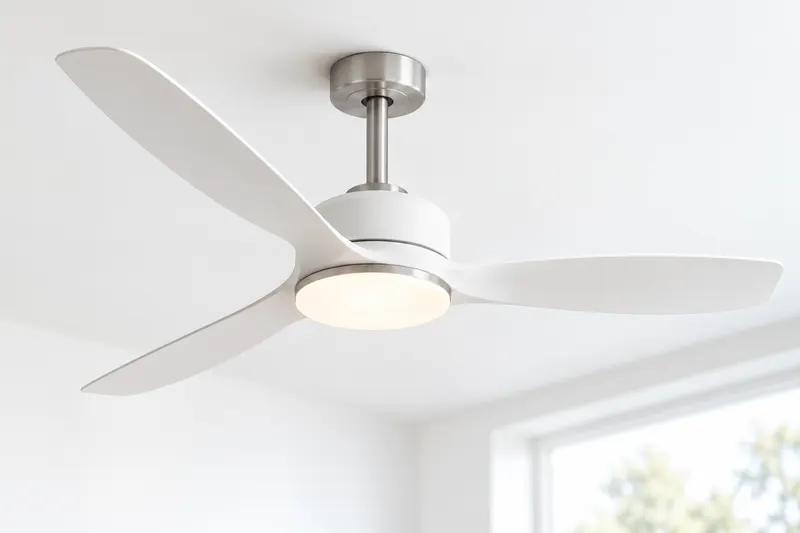
Ceiling fan installation
Low end from Angi Los Angeles ($151 to $383, average $266), high end from Fixr electrician labor to replace an existing fan ($228 to $415); new wiring costs more
$151 to $415
$0$500What moves the priceRecessed (can) lighting
Existing ceiling; six lights average $1,467 (Fixr)
$125 to $300 per light per light
$0$500What moves the price
New circuits and additions
ADUs, heat pumps and spas. Panel capacity is the swing factor.
$800 to $8,000 across 3 jobs
Get a quote for this
ADU electrical (subpanel and circuits)
Subpanel, feeder, circuits; a separate meter costs more
$1,500 to $8,000
$0$8,000What moves the priceHeat pump or new 240V appliance circuit
Circuit and disconnect; panel capacity is the swing factor
$1,500 to $6,000
$0$8,000What moves the price
Hot tub and pool wiring
240V circuit, GFCI disconnect, bonding, permit
$800 to $2,500
$0$8,000What moves the priceWhat moves the price
Four common reasons one quote is far from another. Each bar pair is drawn on the same scale from the ranges above.
A meter move or new service run
Panel swap in place against a swap that also moves the meter or runs a new service.
A panel that cannot carry a charger
Charger circuit on a panel with room against a charger that also needs panel work.
Wiring that is old
A single repair visit against a full replacement of old wiring.
Time of day
A daytime flat-rate repair against an after-hours call.
Pick the job. Get a quote with it filled in.
Name, phone and ZIP are enough. Photos come after, if you want a firmer price.
Prices by job
Use the table as a planning range. The low end is a simple job with open access. The high end adds the things that cost money in older SoCal homes: a full panel, a long wire run, finished walls, stucco, or a utility meter move. Each row opens a page with the price drivers, what is and is not included, and the sources behind the number.
Electrician hourly rate and flat-rate pricing
Electricians bill three ways. A flat rate gives one total for a defined job. A diagnostic or service-call fee covers the visit and finding the cause, and may or may not be credited toward the repair. Hourly billing charges for time on site, often with a minimum. Fixr lists $70 to $131 an hour. That is a published national guide range as of October 2026, and SoCal quotes often run in the upper part. A typical flat-rate repair here is $185 to $575, a desk range. The full breakdown is on the service call cost page, and after-hours calls are on the emergency electrician cost page.
An hourly rate looks high next to a worker’s wage because the rate also pays for the truck, tools, insurance, the license, permits, and the time spent quoting and driving. The number to compare is the total for your job, not the rate.
Why two quotes for the same job differ
Four things explain most gaps. First, scope: one quote may include the permit, the patching and the haul-away, and another may not. Second, the equipment: a charger or a panel brand can add hundreds of dollars. Third, the site: panel location, wall access, distance to the meter and the age of the wiring change the labor. Fourth, the billing method. Compare totals with the same lines in each: labor, materials, permit, inspection and any utility work.
How to use these ranges when you call for quotes
Send each electrician the same facts so the quotes can be compared. A few photos help: the panel with its door open, the wall or ceiling where the work goes, the nameplate on any new appliance or charger, and the meter. Say whether the walls are finished and whether you want the permit pulled for you. With the same inputs, a gap between two bids usually points to a scope difference you can find and ask about.
Then check each bid against the table. A price well under the low end of a range often leaves out the permit, the patching or the equipment. A price well over the high end should come with a reason, such as a long run, an old panel or utility work. Either way, ask the electrician to explain the largest line in plain words, and to say how long the price holds.
What a fair quote lists
A written quote should name the work, the equipment, who pulls the permit, what happens if the inspector finds a problem, and what is excluded. The quote checklist guide walks through each line. Before you sign, check the electrician’s license on the CSLB site, and see what to expect from a residential electrician.
Permits and utility work are separate lines
The electrical permit is paid to the city, and fees differ across the 100 cities covered on this site. The utility may charge for a meter or service change, and some programs pay a rebate after the work passes inspection. Look up your city’s fees and utility, or try the panel upgrade cost estimator and the EV charger cost calculator.
Questions people ask
How much does an electrician charge per hour in Southern California?
Fixr lists an average electrician rate of $70 to $131 an hour. That is a published national guide range as of October 2026, and SoCal quotes often run in the upper part. Many electricians quote a flat price per job instead. The rate is higher than a worker's wage because it covers the truck, tools, insurance, license, permits and office costs. Ask for the total in writing.
Is a flat-rate quote better than an hourly rate?
Flat rate suits a defined job such as a panel swap, a fan or a charger circuit, because you see one total before work starts. Hourly billing fits open-ended troubleshooting where nobody knows the cause yet. If the job is clear and the quote is hourly only, ask for an hour cap.
Why is a panel upgrade priced so differently from one house to the next?
A swap in place is the low end. A meter move, a new service run, trenching or stucco repair pushes the same job toward the high end, and the utility sets its own timing. The panel cost pages list each of those drivers with its own range.
Do the ranges include the permit?
Most do. Panel, charger, rewire and circuit work needs a city electrical permit, and the ranges are installed prices with the permit unless a row says otherwise. Fees differ by city, so each city page lists the fee schedule when the city publishes one.
How current are these prices?
Every range is dated October 2026 and names its basis. Published ranges come from named cost studies and guides. Desk estimates are labeled as such and explained on the pricing method page. Prices change, so treat each range as a planning number, not a quote.
Keep reading
What does an electrician service call cost?
A typical flat-rate electrical repair in SoCal runs $185 to $575 as of October 2026. Some electricians…
How much do breaker box replacement and electrical panel replacement cost?
Replacing a breaker box with a new electrical panel typically costs $2,500 to $4,500 installed, including…
How much does it cost to install a Level 2 EV charger at home?
A Level 2 EV charger install in Southern California typically costs $1,000 to $2,000 for the new 240-volt…
How much does a whole-house rewire cost in SoCal?
A whole-house rewire in SoCal typically costs $8,000 to $20,000 for a 1,500 to 2,500 square foot home…
How prices are built
What an electrical quote should include
Twelve lines every written electrical quote needs, so three bids can be compared on the same job.
Residential electricians in Southern California: license check, price ranges and permit facts
A residential electrician does wiring work in homes, and in California the person or company doing it must…
Panel upgrade cost estimator
Pick your panel, target size and site conditions to get a typical SoCal range.