Outlets and circuits: adding, protecting and upgrading them
Most outlet jobs fall into four kinds: a GFCI where water is near, a new outlet in a room, a 240-volt line for a big appliance, and an outdoor or USB outlet. Published U.S. cost guides put a simple outlet at $120 to $200 and a new dedicated circuit at $459 to $1,388.
- Swap an outlet: $120 to $200
- GFCI outlet, up to: $275
- New 20 A circuit: $459 to $1,388
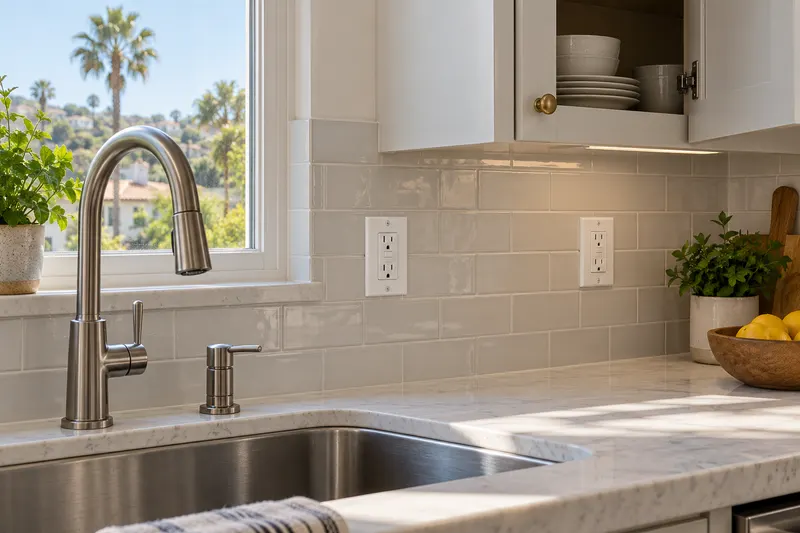
Which job do you have?
Four common outlet and circuit jobs. Each page has the code rule, the permit question and the cost.
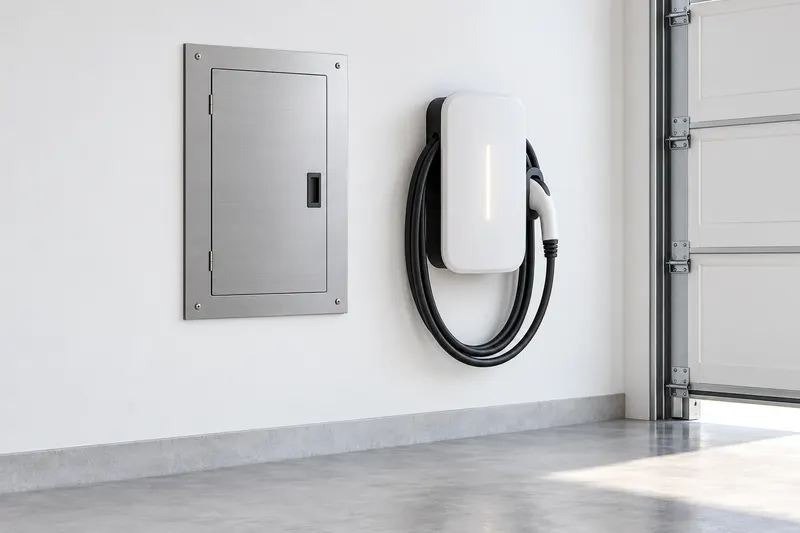
240-volt and dedicated circuits
- Dryer30 A, 10 AWG
- EV (40 A charger)50 A, 6 AWG
- PermitRequired
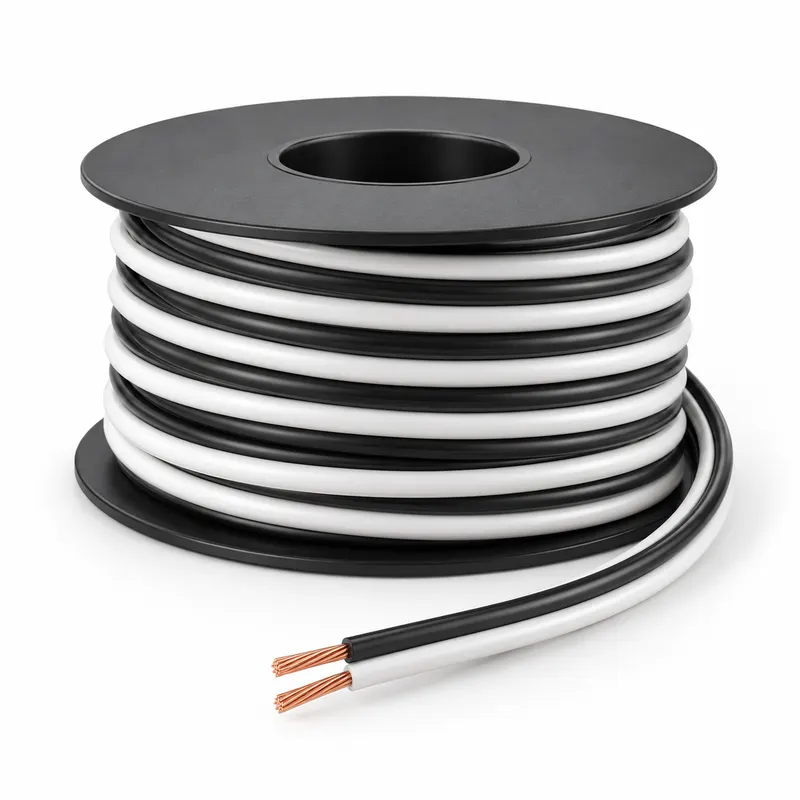
How to add an outlet to a room, and what it takes
- Simple outlet (Fixr)$120 to $200
- Wall spacing rule6 ft from any outlet
- PermitUsually required
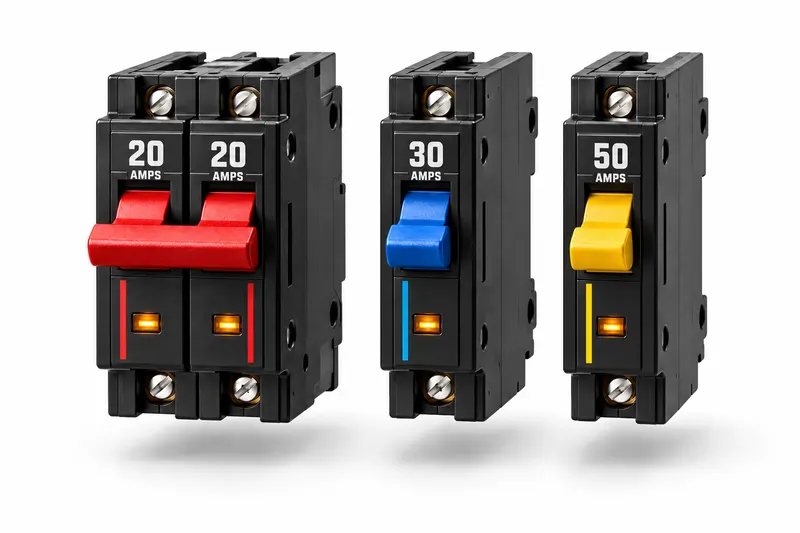
GFCI outlet installation
- Code sectionNEC 210.8(A)
- GFCI outlet, up to$275
- TestMonthly
Outdoor outlets and USB outlets
- Outdoor outlet codeNEC 210.52(E)
- ProtectionGFCI
- Outdoor outlet (Fixr)$250 to $400
Start with what you want the outlet to do
A homeowner who says “I need another outlet” may need one of four different jobs. Sorting it first keeps the quote honest.
- Water is nearby or the outlet is outdoors. The job is GFCI protection. See GFCI outlet installation.
- A room has too few outlets or a cord runs across the floor. The job is a new outlet on an existing circuit. See adding an outlet.
- A dryer, range, EV charger or mini-split needs power. The job is a 240-volt or dedicated circuit. See 240-volt and dedicated circuits.
- A patio, porch, garage or desk needs power or charging ports. See outdoor and USB outlets.
If an existing outlet is dead, hot or sparking, stop using it and read outlet not working first. That is repair, not installation.
Outlet, circuit, breaker: how they connect
Each breaker in the panel feeds a circuit. A 15-amp circuit uses 14-gauge copper wire, and a 20-amp circuit uses 12-gauge. A circuit may feed six outlets and a ceiling light, or it may feed one appliance. A “dedicated circuit” feeds one thing only.
That matters because the wire sets the limit. The code limits protection on small copper conductors to 15 A for 14 AWG, 20 A for 12 AWG and 30 A for 10 AWG. Putting a bigger breaker on a thin wire to stop tripping is a fire hazard, not a fix. A tripping breaker usually means the circuit has too much on it, and the cure is a new circuit. The breaker keeps tripping page covers the causes.
What the code asks for in a home
Section 210.52 of the National Electrical Code, which California’s 2025 code is based on, sets how many outlets rooms need. Along a living room wall, no point on the floor line may be more than 6 feet from an outlet. Kitchens, bathrooms, garages and the outside of the house have their own rules.
Protection rules sit in section 210.8 (GFCI, for shock) and 210.12 (AFCI, for arc fires). Under 210.12, extending, changing or replacing a 15 or 20 amp circuit in a living area has to bring AFCI protection, with a small exception for extensions of 6 feet or less with no added outlets. The difference between the two devices is on GFCI and AFCI protection. This section is about installing them.
Typical SoCal prices
As of October 2026, Fixr publishes these national ranges, and they are shown on outlet and GFCI cost:
| Job | Typical range |
|---|---|
| Install an outlet (Fixr) | $120 to $200 |
| Install a GFCI outlet (Fixr) | Up to $275 |
| Outdoor outlet (Fixr) | $250 to $400 |
| 20 A outlet (Fixr) | $100 to $150 |
These are small jobs, and they depend on access. An outlet on an unfinished garage wall costs less than one that needs a cable fished through a plastered wall. Panels with no free breaker slot can turn a small job into a panel upgrade.
Permits and the inspector
New outlets and new circuits normally need an electrical permit. A like-for-like swap often does not, but rules differ by city. A licensed electrician usually pulls the permit and the city inspects the result. The permit guide explains how it works, and the licensed electrician page explains why the handyman limit of $1,000 almost never covers circuit work, since the permit alone takes it outside the exemption.
Where to go next
Pick the page that matches your job. If you are not sure which one it is, the quote form takes a short description and a photo of the panel.
Questions to ask before you hire
Outlet jobs are small, so quotes get vague. Ask these four things and write down the answers.
- Is the permit in the price, and who pulls it?
- Which protection device goes on the circuit, a GFCI, an AFCI or both, and is it in the price?
- If the wall is finished, who patches and paints it?
- What happens if the panel has no free slot?
Check the license first on the CSLB lookup. A small job is still electrical work, and the same license rules apply. Photos of the outlet, the panel and the wall help an electrician quote without a guess. The visit preparation guide lists what to have ready.
Older homes need a closer look
Many SoCal houses were built before GFCI and AFCI protection existed. They may have two-prong outlets, ungrounded circuits, cloth-covered wire or a fuse box. Adding outlets to that wiring can trigger protection rules, and sometimes shows that a bigger fix is the better buy. A house with knob-and-tube wiring should not get new outlets spliced onto it. Ask the electrician what the existing circuit is made of before anything is added.
In this section
240-volt and dedicated circuits: breaker size, wire gauge and permit
A dryer usually needs a 30-amp circuit on 10-gauge copper, a range 50 amps on 6-gauge, and an EV charger often 50...
How to add an outlet to a room, and what it takes
Adding an outlet usually means extending a nearby circuit, and a simple outlet runs $120 to $200 in Fixr's national...
GFCI outlet installation: where code requires it, cost and testing
Under the 2023 NEC, which California's 2025 code is built on, a home needs GFCI protection in bathrooms, kitchens,...
Outdoor outlets and USB outlets: what the code asks for and what they cost
An outdoor outlet needs GFCI protection, a weather-resistant receptacle and a cover that keeps rain out even with a...
Questions people ask
Do I need a permit to add an outlet?
Usually yes. Adding an outlet or a circuit generally needs an electrical permit, while a like-for-like swap often does not. Rules differ by city, so ask your building department before work starts. The permit also leads to an inspection, which is how the work gets checked. Your city's page on this site names its permit office.
What is the difference between an outlet and a circuit?
A circuit is the wire path from a breaker in the panel to one or more outlets, lights or appliances. An outlet is one point on it. Adding an outlet usually extends an existing circuit. Adding a circuit means a new breaker and a new cable from the panel, which costs more but spares an overloaded line.
How much does it cost to add an outlet or circuit?
As of October 2026, Fixr puts a simple outlet at $120 to $200 and a 20-amp outlet at $100 to $150, and no neutral guide prices a full dedicated circuit run. Those are published national guide figures. SoCal quotes can run higher when the wall is finished, the run is long, or the panel is full.
Which outlets must have GFCI protection?
Bathrooms, kitchens, laundry areas, garages, outdoors, crawl spaces, basements and any outlet within 6 feet of a sink are on the code list for homes. The rule also reaches 240-volt outlets in those places. See the GFCI install page for the list and how the protection is added.
Keep reading
GFCI outlet installation: where code requires it, cost and testing
Under the 2023 NEC, which California's 2025 code is built on, a home needs GFCI protection in bathrooms…
How to add an outlet to a room, and what it takes
Adding an outlet usually means extending a nearby circuit, and a simple outlet runs $120 to $200 in Fixr's…
240-volt and dedicated circuits: breaker size, wire gauge and permit
A dryer usually needs a 30-amp circuit on 10-gauge copper, a range 50 amps on 6-gauge, and an EV charger…
Outdoor outlets and USB outlets: what the code asks for and what they cost
An outdoor outlet needs GFCI protection, a weather-resistant receptacle and a cover that keeps rain out…
How much does it cost to install or replace an outlet or GFCI?
Outlet work typically runs $135 to $850 in SoCal. That is a desk range. Fixr lists $120 to $200 to install…
An outlet that stopped working
Check for a tripped GFCI first, then the breaker. Most dead outlets come back with a reset. If you smell…
GFCI and AFCI: where code requires them and what they do
A GFCI stops current that leaks to ground, which protects people from shock. An AFCI stops electrical…
Residential electricians in Southern California: license check, price ranges and permit facts
A residential electrician does wiring work in homes, and in California the person or company doing it must…
Send a photo, get a range.
Share your ZIP and a photo of your panel. Your request goes to a licensed partner electrician, who contacts you.
Get this quoteAurion Electric is a referral service operated by Roviq LLC. Electrical work is done by a licensed partner electrician.
