Home lighting: recessed, landscape and smart controls
New lighting is a wiring job first and a fixture choice second. The wiring, the box, the switch and California's energy rules decide what you can install and what it costs.
- Recessed light: $125 to $300 each
- Six recessed lights: $1,467 average (Fixr)
- Single-pole switch swap: About $75 (Fixr)

Three common lighting jobs
Recessed lights
Ceiling cans on a dimmer, new or retrofit.
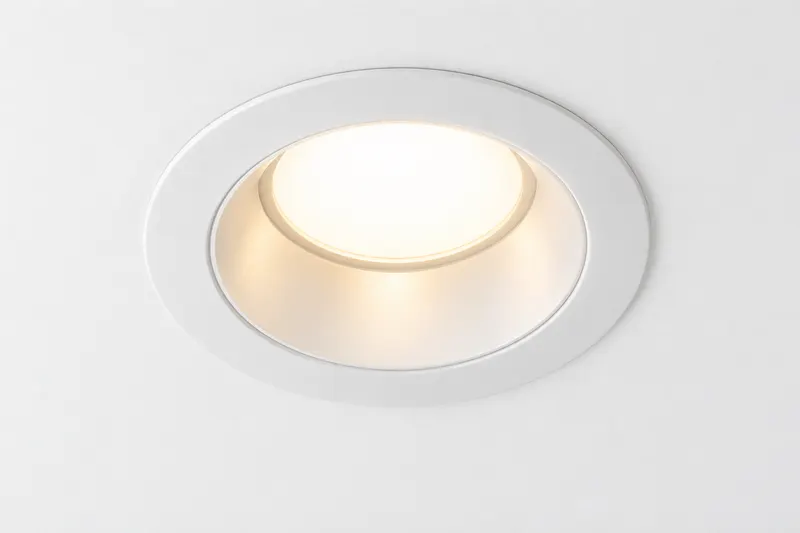
- Per-light pricing
- IC-rated for insulation
- Dimmable LED
$125 to $300 per light
Landscape lighting
Low-voltage path and spot lights with a transformer.
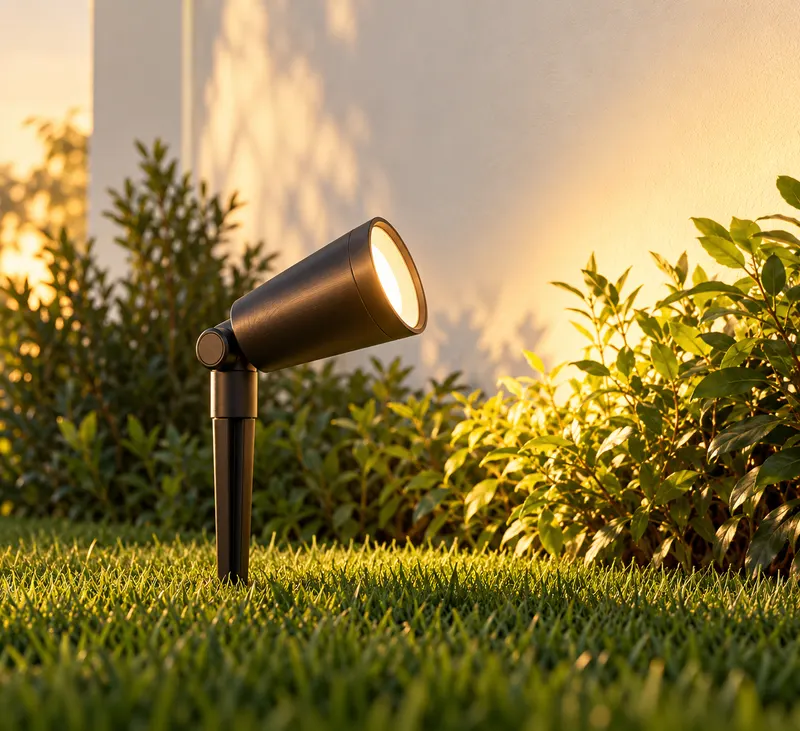
- Low-voltage or line voltage
- GFCI protected
- Timer or smart control
Priced by run and fixtures
Smart switches and dimmers
Replace wall switches with dimmers and smart controls.
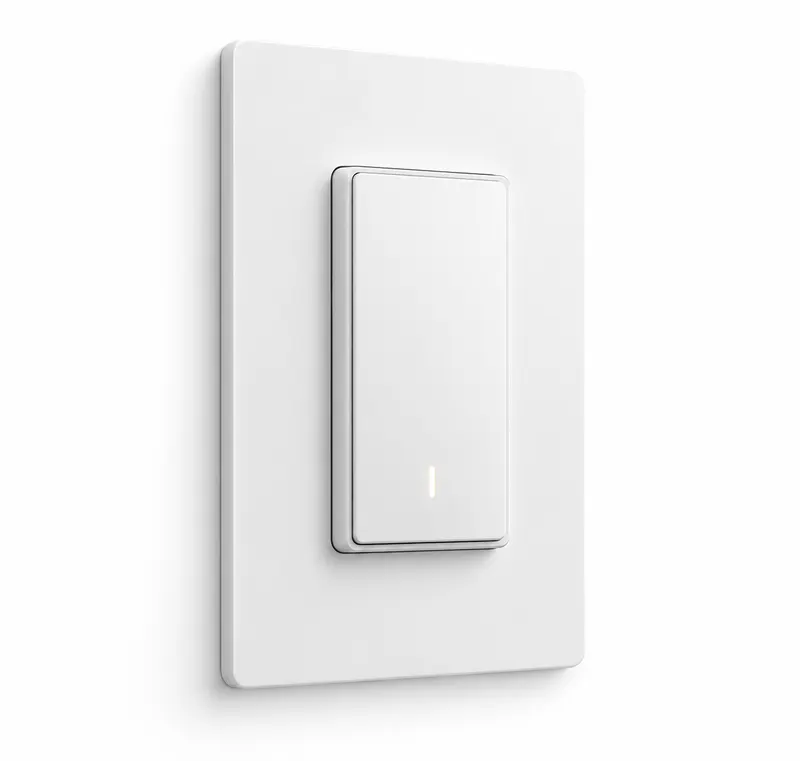
- Needs a neutral wire
- 3-way compatible
- Works with voice and apps
$135 to $850
How a lighting job goes

- 1
Plan
Pick where lights go and how they are controlled.
- 2
Wire
New circuits or switch legs are run where needed.
- 3
Install
Fixtures, dimmers or low-voltage lights go in.
- 4
Test
Every light and control is checked before the job ends.
Three lighting jobs, three sets of rules
Most lighting work in Southern California homes falls into one of three groups. Each has its own page.
A ceiling fan is a related job, and the ceiling fan installation cost page lists what moves the price.
| Job | What decides the cost | Page |
|---|---|---|
| Recessed (can) lights | Ceiling access, number of lights, insulation, airtight housings | Recessed lighting |
| Landscape lighting | Low-voltage or line voltage, trenching, GFCI power | Landscape lighting |
| Switches, dimmers and smart controls | Neutral wire in the box, 3-way wiring, bulb type | Smart switches and dimmers |
If you are adding a ceiling fan with a light, see ceiling fans. That job has its own box and wiring rules.
Start with the wiring, not the fixture
Fixtures are the easy part. The questions that decide the job are:
- Where does power come from? A nearby switch, outlet or junction box can be extended, but only if the circuit has room. A 15-amp circuit with LED lights has plenty of room. One that also feeds a space heater does not.
- Can the wire reach the new location? Attic access makes ceiling work simple. A second-floor ceiling or a slab-on-grade house can take longer.
- What switch controls it? Adding a new light usually means a new switch or a change to an existing one. The switch box may or may not have a neutral.
- What does the city require? New wiring generally needs a permit and an inspection.
California’s energy rules for lighting
California’s Energy Code (Title 24, Part 6) sets how residential lighting must work. The basics for homes are:
- Most light sources must be high efficacy, which means LED or similar and certified under a standard called JA8. Look for a JA8 marking on the lamp or fixture.
- Recessed downlights in the ceiling must be rated for insulation contact (IC), airtight, and use a certified source with no screw-in base.
- Bathrooms, garages, laundry rooms, utility rooms and walk-in closets need at least one light controlled by an occupancy or vacancy sensor (auto-off).
- Lighting in habitable rooms needs a readily accessible wall-mounted dimming control, with exceptions such as ceiling fan lights on a remote and circuits under 20 watts of lighting.
- All lighting needs a readily accessible wall-mounted manual on and off control.
These rules come from the Energy Code, not the electrical code, so an inspector may check them even when the wiring is fine. These points are from the 2022 Energy Code summary, section 150.0(k). The Energy Code is updated every three years and the 2025 edition took effect in 2026, so check the current section numbers and wording with your electrician or city before work begins. The recessed lighting page and the smart switches page go through the parts that apply to each job.
Choosing fixtures that pass
A fixture that is sold in California should be marked for JA8 when it is a screw-in lamp or a light source in a ceiling fixture. If a fixture comes without that marking, it may fail an inspection even if it works. Ask the electrician to supply fixtures that meet the Energy Code, or check each box before you buy.
Dimmable bulbs need a compatible dimmer, so match them. LED bulbs in enclosed fixtures need a rating for enclosed use, because heat shortens their life.
Permits and inspection
A new circuit, new recessed lights, new switch locations and landscape lighting that adds a transformer or line-voltage wiring generally need a permit. Like-for-like swaps of a fixture or switch usually do not. The inspector checks the wiring, the box fill, the connections, grounding and GFCI protection where needed, and may check fixture markings for Title 24. The electrical permits guide covers how this works across cities.
Costs
As of October 2026, typical published ranges are:
- Recessed lights: about $125 to $300 per light in an existing ceiling. Fixr’s national guide (January 2025) puts the average at $1,467 for six lights. See the recessed lighting cost page.
- Switch or dimmer swaps: Fixr lists about $75 to replace a single-pole switch, and an outlet install runs $120 to $200 nationally. A dedicated circuit costs more and is quoted by the run. See the outlet and GFCI cost page.
Landscape lighting prices vary too much by yard and fixture count to quote one range. Get a written quote that lists the transformer size, the number of fixtures, cable length and whether trenching is included.
What to prepare for the visit
Take photos of the room and any attic access. Note where you want lights, and which switch should control them. If you have a bulb type in mind, say so. For smart switches, open one switch plate with the power off at the breaker and look for a white wire, or ask the electrician to check. Send the details through the quote form and the electrician can tell you what is possible before arriving.
In this section
Landscape lighting: low-voltage or line voltage
Most home landscape lighting is low voltage, 12 volts from a transformer, and the cable can lie shallow. Line...
Recessed lights in California: what the code requires
California requires recessed ceiling lights to use a certified high-efficacy source, to be rated for insulation...
Smart switches and dimmers: what your wall box can handle
Most smart switches need a neutral (white) wire in the switch box. Many homes built before the 1980s do not have...
Questions people ask
Do I need a permit to add lighting?
Replacing a fixture or a switch in the same spot usually does not need a permit. Adding new wiring, new recessed lights or a new circuit usually does, and cities set their own rules. Call your city's building department or ask your electrician. Permit and inspection cost varies by city, and the inspection checks code and energy rules.
How many recessed lights does a room need?
There is no code number. A common rule of thumb is one light per 4 to 6 square feet of ceiling, with a spacing about half the ceiling height. A 12 by 14 foot room usually takes four to six lights. Brightness, ceiling height and what the room is used for matter more than the count.
Can I add lighting without opening the ceiling?
Sometimes. If the attic is accessible, an electrician can run wire from above. In a finished ceiling with no attic access, the options are cutting access holes or using surface-mount lights. Some LED fixtures called wafer lights need smaller holes and no deep housing, which helps in tight ceilings.
Do LED lights need special wiring?
No special wire, but they need a compatible dimmer if you want dimming and a driver that suits the fixture. California also requires high-efficacy light sources in most indoor fixtures. The wire, box and switch still need to match the circuit load, which is tiny for LEDs but must follow code.
Keep reading
Recessed lights in California: what the code requires
California requires recessed ceiling lights to use a certified high-efficacy source, to be rated for…
Landscape lighting: low-voltage or line voltage
Most home landscape lighting is low voltage, 12 volts from a transformer, and the cable can lie shallow…
Smart switches and dimmers: what your wall box can handle
Most smart switches need a neutral (white) wire in the switch box. Many homes built before the 1980s do…
How much does recessed lighting cost per light?
Recessed lighting typically costs $125 to $300 per light in an existing ceiling. A room of 4 to 6 lights…
How much does it cost to install or replace an outlet or GFCI?
Outlet work typically runs $135 to $850 in SoCal. That is a desk range. Fixr lists $120 to $200 to install…
Ceiling fan installation: the box matters most
A ceiling fan must hang from a box listed and marked for fans, not an ordinary light box. A swap on an…
Get a quote
Send a photo, get a range.
Share your ZIP and a photo of your panel. Your request goes to a licensed partner electrician, who contacts you.
Get this quoteAurion Electric is a referral service operated by Roviq LLC. Electrical work is done by a licensed partner electrician.
