Backup power for a Southern California home
Pick the backup setup by outage length and by what must stay on. An interlock or transfer switch lets a portable generator run the house safely. A battery runs silently and starts on its own, but costs more.
- Interlock kit: $400 to $850
- Manual transfer switch: $400 to $1,300
- Automatic transfer switch: $600 to $2,500

Three ways to keep power on
Generator interlock
Runs key circuits from a portable generator.
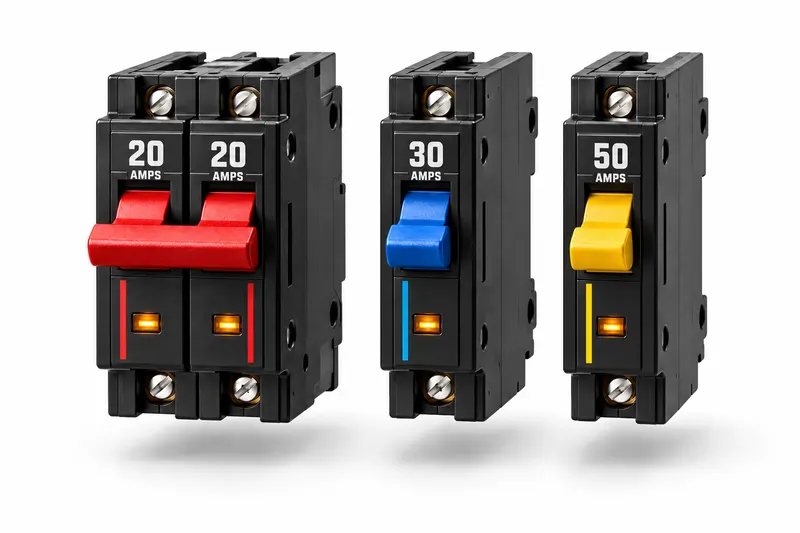
- Lowest cost
- You start the generator
- Fuel and noise
$400 to $1,800
Transfer switch
A switch picks grid or generator for chosen circuits.
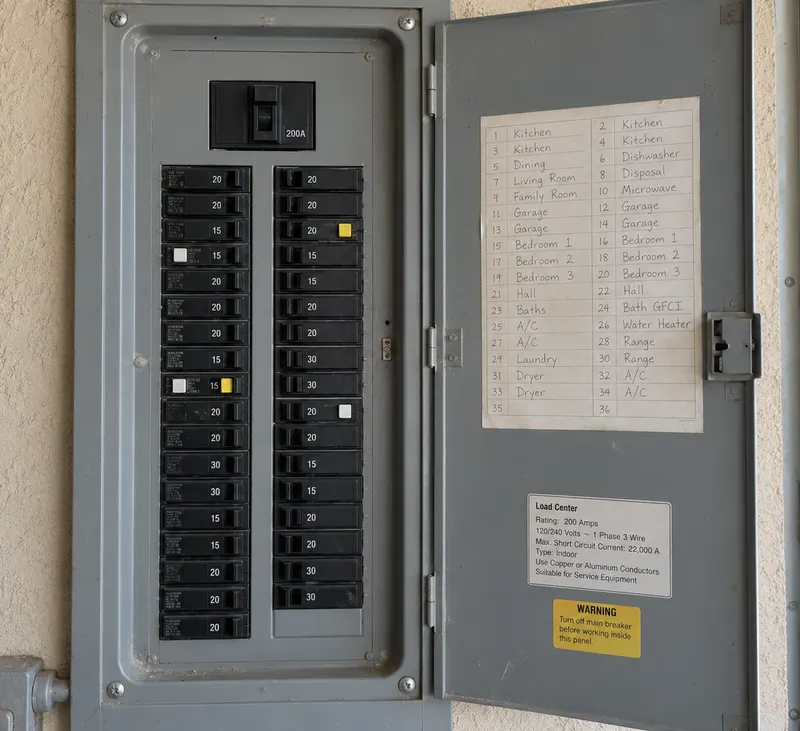
- Manual or automatic
- Chosen circuits only
- Permit required
$400 to $2,500
Home battery
Stores power and runs chosen circuits in an outage.
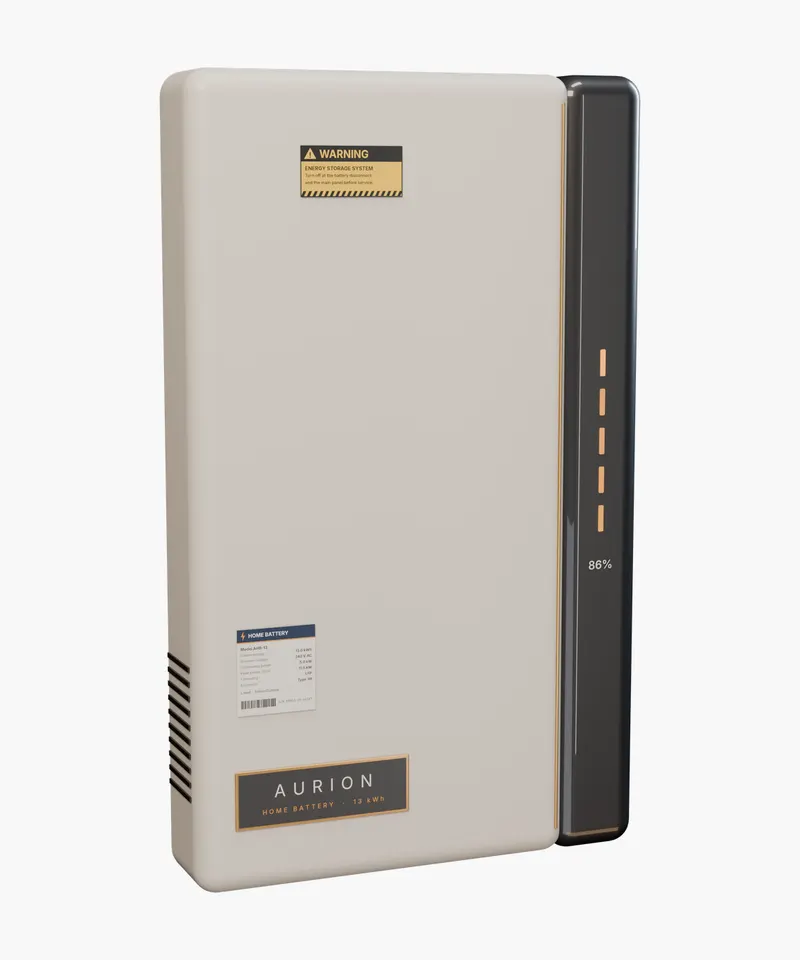
- Silent, no fuel
- Needs a critical-loads panel
- Hardware extra
$1,500 to $4,000, electrical side
How a backup power job goes
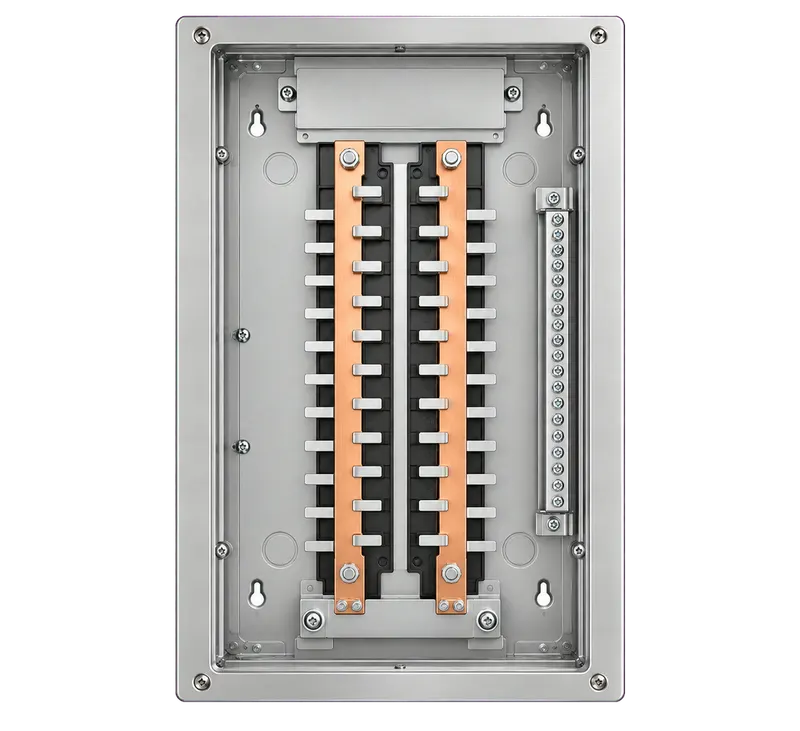

- 1
Pick the circuits
Choose what must stay on in an outage, such as the fridge, lights and internet.
- 2
Permit
The electrician files the city permit.
- 3
Install
The interlock, transfer switch or battery wiring goes in.
- 4
Inspect and test
The city inspects the work before it is finished.
Start with the outage you are planning for
Most Southern California outages fall into two groups. Short ones come from a blown transformer, a car hitting a pole or a heat wave. They last hours. Long ones come from a utility turning off power on purpose when wind and dry brush make a fire likely. California utilities call this a Public Safety Power Shutoff, or PSPS. The utility must inspect every mile of line before it turns power back on, so these can run a day or more. Read PSPS power shutoffs explained to see how notice works and which areas are hit.
Write down two things before you shop. How many hours do you want to cover? Which loads must keep running? A fridge, a few lights, a phone charger and Wi-Fi need far less than a house with central air, a well pump or medical equipment.
The five backup setups
| Setup | What it does | Typical SoCal range, October 2026 |
|---|---|---|
| Interlock kit and inlet | Lets a portable generator feed the panel through a plug | $400 to $1,800 |
| Manual transfer switch | A separate switch box for chosen circuits | $400 to $1,300 |
| Automatic transfer switch | Starts a standby generator by itself | $600 to $2,500 |
| Critical loads subpanel | Moves key circuits to one small panel for backup | Often $1,200 to $2,800 |
| Home battery | Silent, automatic, runs for hours on stored power | Electrical side about $1,500 to $4,000; the battery is priced separately |
The battery hardware varies with capacity, brand and installer, so get written quotes. The electrical side is a desk estimate of $1,500 to $4,000, not a published range. The interlock and switch ranges come from a published cost guide. Details are on the generator interlock cost page.
How the connection works
A generator should never feed the house through a wall outlet. Utilities warn that this sends power backward through the meter and onto the street lines, which can hurt crews who think the line is dead. The safe options all do one job: they disconnect the house from the utility before the generator connects.
- A generator interlock kit does it with a metal slide on the main panel.
- A transfer switch does it with a separate switch for the circuits you pick.
- A generator inlet box is the outdoor plug that the generator cord connects to. It works with either of the above.
- A critical loads subpanel keeps a small battery or generator from having to carry the whole house.
- Home battery installation covers storage that switches over without you.
Generator or battery
A portable generator is the lowest cost per watt and can run for days if you have fuel. It is loud, it needs fuel, and it must run outdoors, away from windows and doors, because of carbon monoxide. A battery has no exhaust, so it can sit in a garage or on an outside wall within the limits of the residential code. It will run out unless solar recharges it. Many homes in fire zones end up with a battery for the first day and a generator inlet as the backup to the backup. The full comparison is in generator vs battery backup.
Permits, inspection and who can do the work
Adding any of these changes your home wiring. Most cities require an electrical permit and an inspection. Batteries also face fire and location rules in the residential code. Work should be done by a California licensed electrician with a C-10 classification. Ask to see the license number and confirm it on the state license board lookup.
People who rely on power for health
If someone in your home uses medical equipment that needs electricity, ask your utility about Medical Baseline. The state program gives extra notice and extra electricity at the lowest rate, and the utility reaches out before a shutoff. It does not replace a backup plan. Make the plan with your doctor and your electrician before fire season, not after notice arrives.
Before the electrician visits
Know your panel brand and amp size, where the generator will sit, and the wattage of your must-run loads. Photos of the panel with the door open help. When you request quotes, ask for the permit and inspection to be listed as separate lines so you can compare bids.
In this section
Critical loads subpanel for a battery or generator
A critical loads subpanel is a small second panel that holds only the circuits you want during an outage. It lets a...
Generator inlet box (power inlet) installation
An inlet box is a weatherproof outdoor plug wired to your panel. You connect the generator cord to it instead of...
Generator interlock kit: how it works
An interlock kit is a metal plate on your main panel that stops the main breaker and the generator breaker from...
Home batteries: what the electrician does and where one can go
The electrician mounts the battery, connects it to the panel or a backup subpanel, and gets it permitted and...
Standby generator installation: the electrical work
A permanent standby generator needs an automatic transfer switch, a correctly sized circuit, a gas or propane line...
Transfer switches for generators: manual vs automatic
A transfer switch connects your generator to selected house circuits and cuts them off from the grid while it runs....
Questions people ask
What is the cheapest safe way to power my house with a generator?
A generator interlock kit with an inlet box is usually the lowest-cost safe connection. It is a metal plate on the panel that stops the main breaker and the generator breaker from being on together. Typical SoCal range is $400 to $1,800 as of October 2026, depending on the inlet, cord and panel. A permit is normally needed.
Can I plug my generator into a dryer outlet?
No. Plugging a generator into any outlet sends power backward through your house wiring and out to the utility lines. That can electrocute line workers and your neighbors, and it can start a fire in your wiring. Use a listed interlock or transfer switch installed by a licensed electrician instead.
How long do PSPS outages last in Southern California?
They vary by weather. Utilities restore power only after crews inspect the lines, so a shutoff can run from several hours to a few days. Dry, windy periods in fall are the usual trigger. Plan for at least 48 hours if you live in a high fire-risk area, then choose backup gear to match.
Do I need a permit for a transfer switch or battery?
Yes, in most cities. A transfer switch, interlock or battery changes your wiring, so the city normally issues an electrical permit and inspects the work. Rules differ by city, so check the building department. The electrician usually pulls the permit and schedules the inspection.
Keep reading
Generator interlock kit: how it works
An interlock kit is a metal plate on your main panel that stops the main breaker and the generator breaker…
Transfer switches for generators: manual vs automatic
A transfer switch connects your generator to selected house circuits and cuts them off from the grid while…
Home batteries: what the electrician does and where one can go
The electrician mounts the battery, connects it to the panel or a backup subpanel, and gets it permitted…
Generator inlet box (power inlet) installation
An inlet box is a weatherproof outdoor plug wired to your panel. You connect the generator cord to it…
Critical loads subpanel for a battery or generator
A critical loads subpanel is a small second panel that holds only the circuits you want during an outage…
PSPS power shutoffs explained: how they work and how long they last
What a PSPS is, how utilities warn you, how long outages last, and four dated SoCal examples.
Generator vs battery backup
A decision guide for outages and wildfire shutoffs: runtime, typical cost, fuel, permits, noise and…
Generator interlock kit and inlet: what it costs installed
A generator interlock installed in SoCal typically costs $400 to $850 for the interlock alone, and $400 to…
Standby generator installation: the electrical work
A permanent standby generator needs an automatic transfer switch, a correctly sized circuit, a gas or…
Send a photo, get a range.
Share your ZIP and a photo of your panel. Your request goes to a licensed partner electrician, who contacts you.
Get this quoteAurion Electric is a referral service operated by Roviq LLC. Electrical work is done by a licensed partner electrician.
