Power from GWP
EV chargers for Glendale homes, condos and apartments
Most Glendale homes are in multi-unit buildings, so the first charger question is often who controls the parking space. For GWP customers, the second is which charger GWP's programs favor.
Start with the parking space
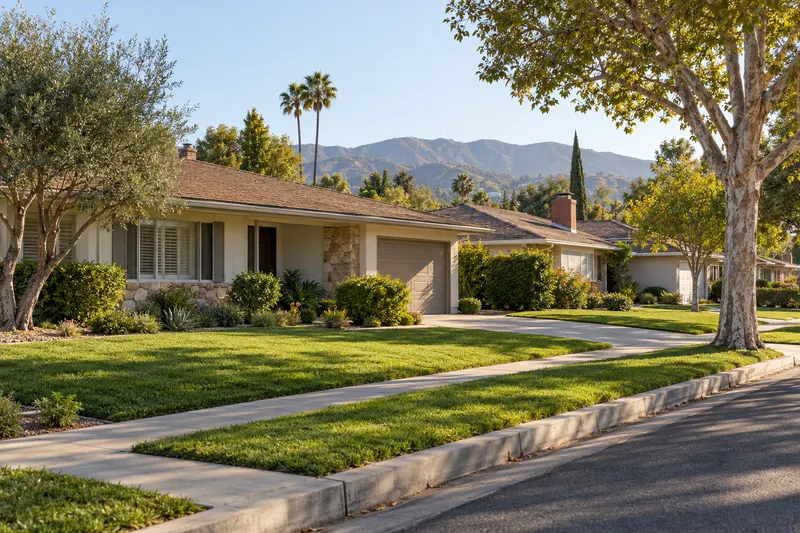
Glendale has a large stock of mid-century and newer apartments and condos, and most homes are not detached houses. If your parking is a shared garage or a carport, the first job is a written request to the owner or the board. The big unknown is the meter. If the space is on a house meter, the wire run is short and the cost is easy to see. If it is on a common-area meter, the cost and who pays are a board decision, and the electrician needs the answer before pricing. See EV chargers in HOAs and condos for shared-building rules.
Choosing a charger for a GWP account
GWP is the city’s own utility, so SCE programs do not apply. GWP runs a charger rebate and an off-peak charging incentive of its own, and the tiers have favored a networked charger over a basic one. That affects which unit to buy, so settle it before the electrician orders anything. Confirm the current amounts with GWP first. The city utility rebate guide compares Glendale with Pasadena and Burbank.
GWP customers can also choose the L-1-B time-of-use schedule over the standard L-1-A rate. Prices change, so compare both on a real bill after a few weeks of charging.
The permit for a house or an ADU
For a single-family house, duplex or ADU, GWP’s EV page links the city’s expedited charger permit under state law. The application is the Glendale Permit Worksheet, filed through the Glendale Permits portal, which needs an account. The AB 1236 guide explains the rule behind it. Ask the Permit Services Center what the permit costs and what hours it keeps on Fridays, since the counter has limited Friday hours.
Older single-family panels
Glendale’s older houses are pre-war bungalows and Spanish-style homes, and about 4 in 10 homes were built before 1960. A small service is common in them. Typical SoCal range for a charger on a panel with room is $1,000 to $2,000, and $3,600 to $7,500 with panel work, per the cost page. The Glendale panel page covers who to call at GWP. Summer evenings in climate zone 9 load the house just when most people plug in, so ask the electrician what the load check says at that hour.
Charger permit path
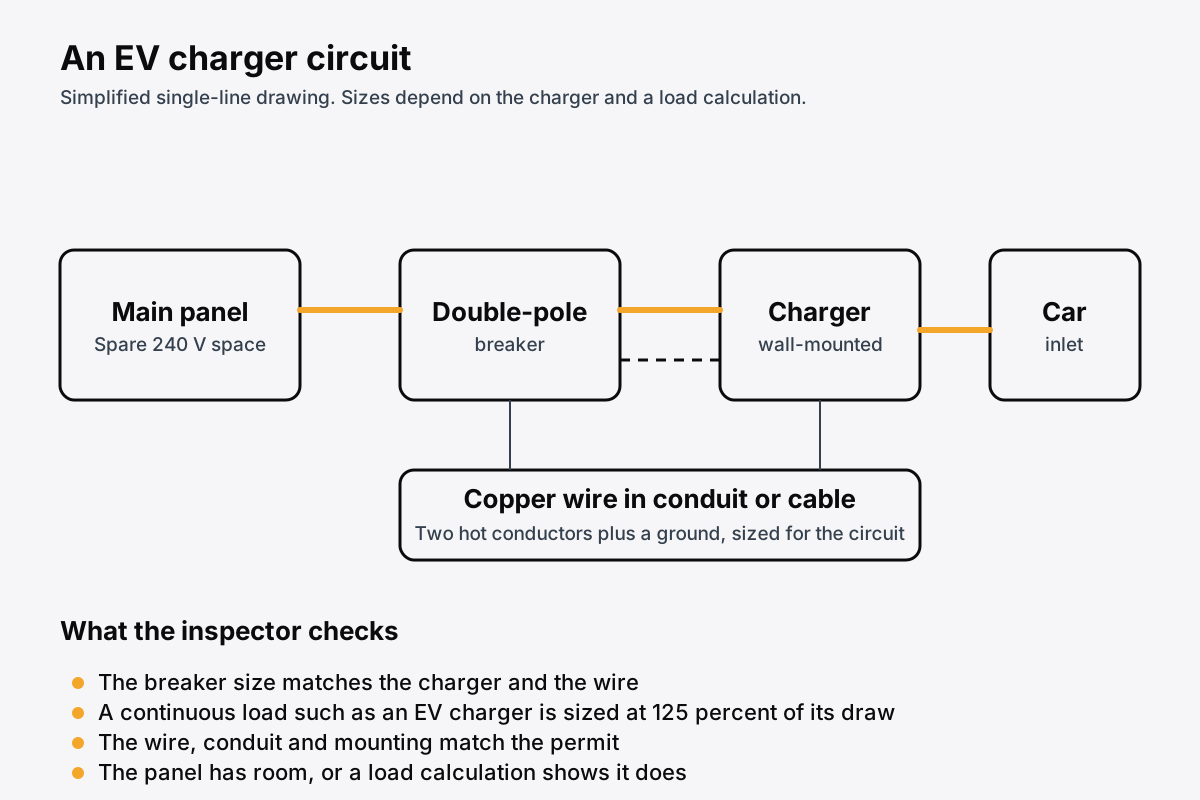
GWP's EV page links to an expedited permit process for single-family, duplex and ADU/JADU chargers (California AB 1236 path). The city's 'Glendale Permit Worksheet' is the application listed in the regional CALeVIP permit guide.
Permit lines that can apply
| Item | Fee |
|---|---|
| Electrical permit, minimum inspection fee | $155.00 |
| Electrical plan review, when required | $129.00 minimum, or 50% of the permit fee |
City of Glendale Community Development, Permit Services Center. Confirm the current amount at the counter.
Rebates that match this job
| Program | Amount |
|---|---|
| GWP Residential EV Charging Station Rebate GWP residential customers; Glendale Care participants get higher amounts | Standard: $200 non-networked, $599 networked/Wi-Fi charger, plus $800 with an electric panel upgrade. Glendale Care: $300, $700, plus $1,000 with a panel upgrade |
| GWP Residential Off-Peak EV Charging Incentive GWP residential customers with a Level 2 charger or manufacturer 240 V cable | $20 a month |
Questions people ask
Why does the type of charger matter for a GWP rebate?
GWP's charger rebate has paid more for a networked or Wi-Fi unit than a basic one, because a connected charger can report use and run on an off-peak schedule. Rebate pages are updated, so check GWP's current terms and the model list before you buy a charger, and keep the receipt and permit paperwork.
How do I confirm GWP's off-peak charging incentive?
Email [email protected] and ask for the current monthly amount, the hours it covers and what proof it needs. Published amounts for this incentive have differed between sources, so do not plan around a figure until GWP confirms it for your account in writing.
I live in a Glendale condo. Can I get a charger?
Probably. Under Civil Code 4745, rules that effectively prohibit or unreasonably restrict a charger in your unit or assigned space are void. The association must answer a written request within 60 days or it counts as approved, unless it asked for more information. Ask the board which meter your space is on.
I rent in Glendale. Does my landlord have to allow a charger?
Often yes. Civil Code 1947.6 says a landlord shall approve a written request for a charger at the tenant's assigned parking space, for leases signed or renewed after July 1, 2015. The tenant pays the costs and carries liability coverage. It does not apply to lots under five spaces or parking outside the lease.
EV charger installation in nearby cities
Related
Electrician in Glendale
Home EV charger installation: circuit, panel and permit
A home Level 2 charger runs on its own 240 volt circuit, usually 40 to 60 amps. Whether the panel has room…
How much does it cost to install a Level 2 EV charger at home?
A Level 2 EV charger install in Southern California typically costs $1,000 to $2,000 for the new 240-volt…
EV chargers in an HOA, condo or rental
In California an HOA cannot ban an EV charger in your parking space, and a landlord must approve a written…
City utility rebates in Pasadena, Burbank, Glendale, Riverside and Anaheim
What Pasadena Water and Power, Burbank, Glendale, Riverside and Anaheim utilities pay for chargers, panels…
AB 1236 and EV charger permits: what California cities must offer
What Government Code 65850.7 requires of cities for EV charger permits, and how a few SoCal cities put it…
Who handles what on a Glendale panel upgrade
A Glendale panel job runs through two offices: Glendale Water and Power for the service side, and the…