Whole-home electrification in Southern California
Going all-electric works best when the panel and a load calculation come first, because every later step draws from the same service. The panel step alone runs $2,500 to $4,500 as a typical SoCal range as of October 2026.
- First step: Load calculation
- Panel step: $2,500 to $4,500
- Common service size: 200 A
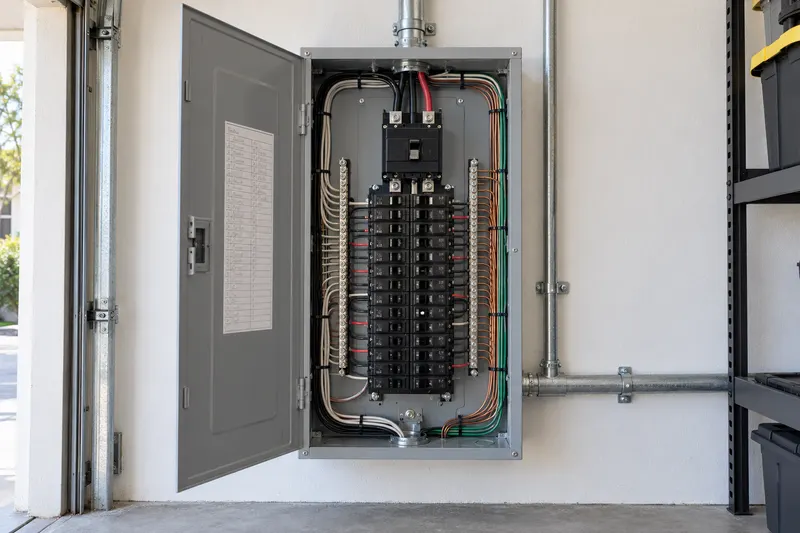
Three ways to package it
Starter
Panel capacity and a charger circuit.
- Load calculation first
- Panel upgrade
- EV charger circuit
$3,600 to $7,500
Adds the individual ranges. Informational, not a quote.
Complete
Starter plus a battery tie-in.
- Everything in Starter
- Critical-loads panel
- Battery electrical side
$5,100 to $11,500
Adds the individual ranges. Informational, not a quote.
Full
Complete plus a heat pump circuit.
- Everything in Complete
- Heat pump or induction circuit
- Utility paperwork
$6,600 to $17,500
Adds the individual ranges. Informational, not a quote.
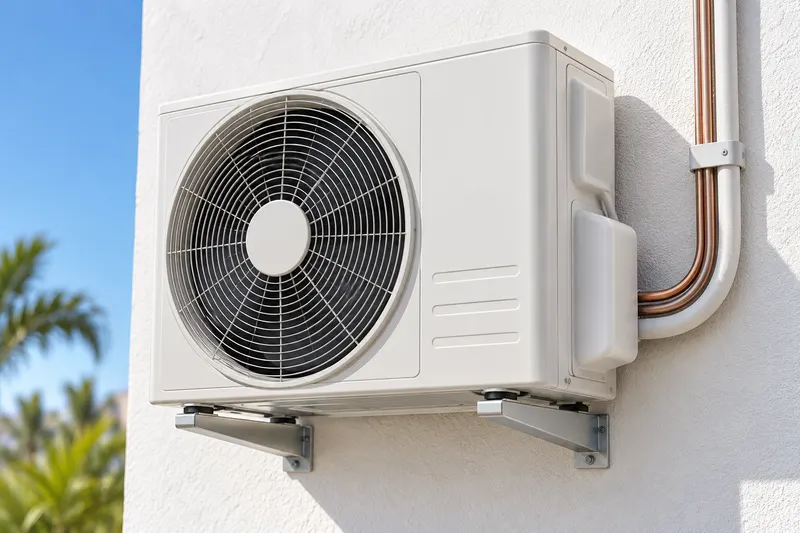
One service, many loads
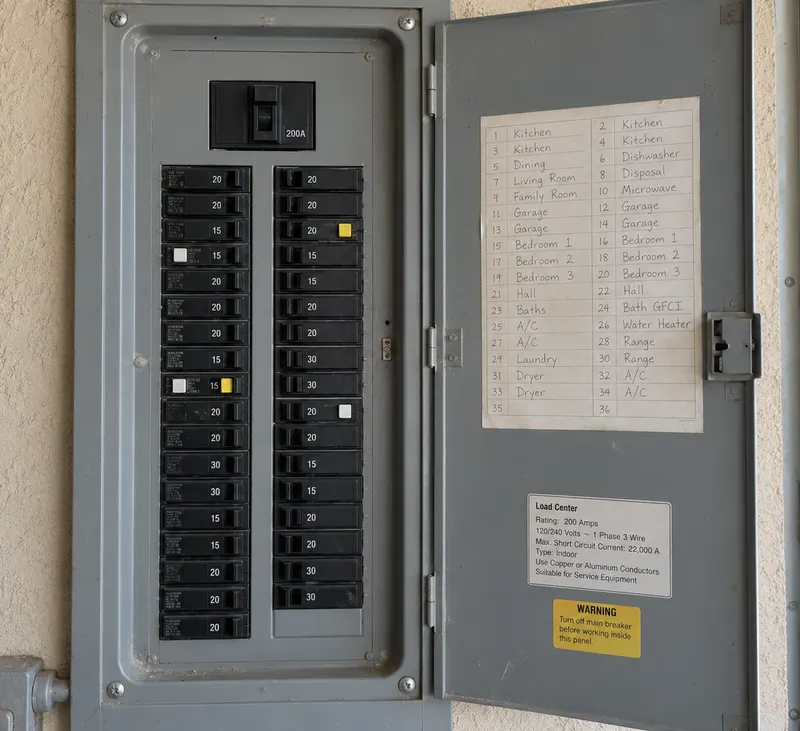
An all-electric home pulls a lot from one set of wires coming off the pole. A heat pump, a heat pump water heater, an induction range, a dryer and an EV charger each run on 240 volts. The panel and the utility service have to carry them together. That is why electrification is a sequencing problem more than a shopping list.
The order of operations guide walks through it in detail. The short version is below.
A sensible order
- Load calculation and panel review. An electrician adds up the loads you have and the loads you plan. The load calculation guide explains the method. This tells you whether the panel can stay or must change.
- Panel or service upgrade, if the numbers say so. A typical swap to 200 amps runs $2,500 to $4,500. Moving the meter or running a new service can run higher. See panel upgrades.
- Heat pump water heater and heat pump HVAC at end of life. Replace gas equipment when it fails, not before. The circuits are covered on the heat pump and appliance circuits page.
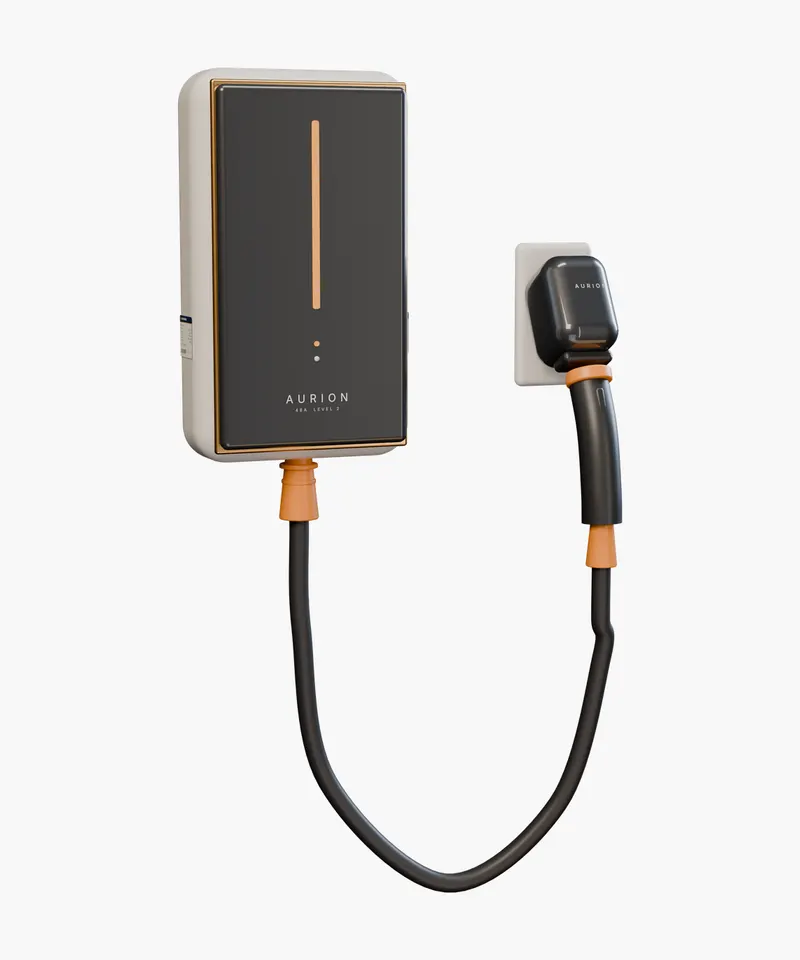
- EV charger circuit. A dedicated 240V circuit for a Level 2 charger typically runs $1,000 to $2,000 for the circuit and mounting, and the charger itself is often extra. See EV chargers. If the panel step comes first, the charger rides on it.
- Induction cooktop or range. Often 40 to 50 amps on a new circuit.
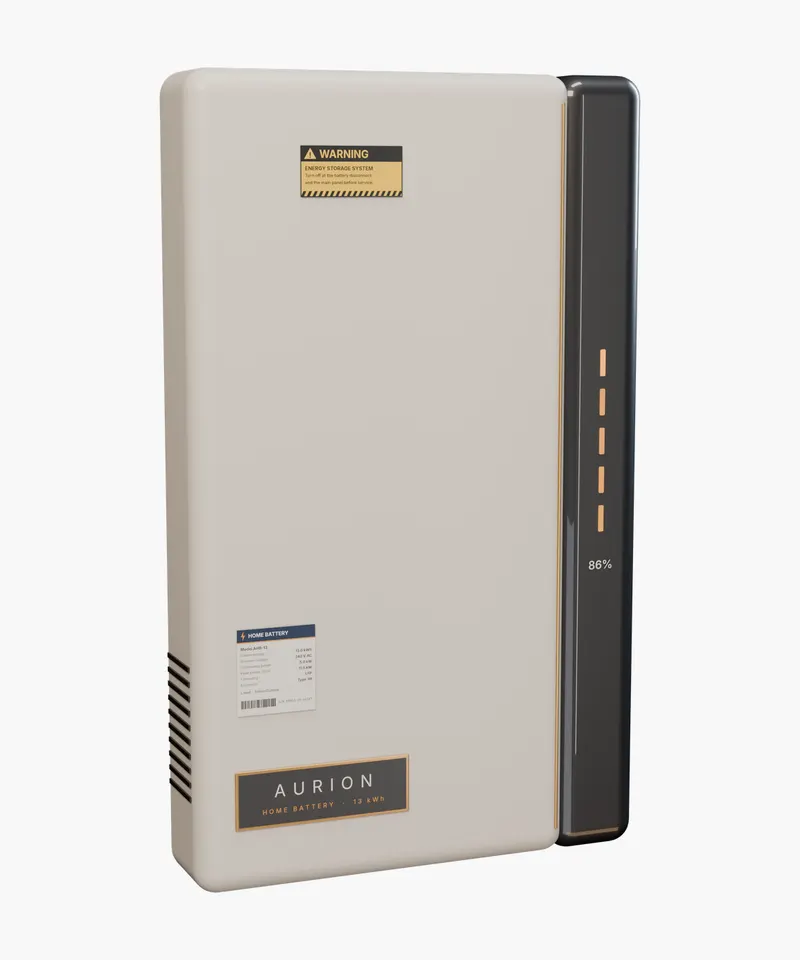
- Battery and solar tie-in. The electrical side of a home battery typically runs $1,500 to $4,000, and the battery hardware is extra. It goes last because it should be sized to the loads you actually have. See backup power and solar and battery tie-in.
Skipping step 1 is the common mistake. A charger installed on a full panel can force a second visit for a panel upgrade.
When one project makes sense
A bundled project works when you already know the panel is too small. The electrician pulls one permit for the service, adds the new circuits while the panel is open, and the city and utility each visit once. A split project works when the panel has room today and the appliances will fail at different times.
Phasing is fine if the first step leaves room. Ask the electrician to leave breaker spaces and conduit for the later loads. The cost of that is small compared with opening the same wall twice.
Utility steps
A panel or service change often needs the city inspection and a utility visit. In SCE territory, the utility sets the meter after the city clears the job. In SDG&E territory, the utility disconnects and reconnects the meter around the inspection. LADWP, Pasadena, Burbank, Glendale, Riverside and Anaheim each have their own utility rules. The utility coordination guide lays out the differences. Plan for weeks to months if the utility has to change its own equipment.
Rate plans matter once you electrify. SCE’s TOU-D-PRIME plan is open to customers with an EV, a home battery or an electric heat pump. It has a peak window from 4 to 9 p.m. every day. Check your own bill history before switching.
Incentives as of October 2026
The picture is mixed:
- Federal credits: ended for 2026 installs. The IRS says the residential clean energy credit does not apply after December 31, 2025. The home improvement credit that covered heat pumps and panels has also ended.
- TECH Clean California and HEEHRA: reserved or waitlisted as of the dates on TECH’s page. Do not install before a waitlisted reservation is approved.
- SCE Charge Ready Home: up to $4,200 toward a 200-amp panel and a Level 2 charger circuit for eligible income-qualified SCE households; check current tiers; an outlet-only rebate of up to $1,000 applies if the panel is already 200 amps or more. SCE takes applications while you plan, during the work, or up to six months after, but holds funds only once you are approved.
- SGIP battery rebates: the ratepayer budgets closed to new submissions on December 31, 2025. The income-based equity budget was on a waitlist in most areas as of October 29, 2026, so ask the program administrator for your utility.
- City utilities: Pasadena offers a panel rebate, and Burbank, Glendale, Riverside and Anaheim have charger or storage rebates. Use the utility rebate finder.
What to read next
- Order of operations guide for the full sequence.
- Federal tax credits status for what ended.
- ADU and remodel electrical if you are building or remodeling at the same time.
- Send a photo of your panel to start with the load calculation.
Questions people ask
What should I electrify first?
Start with a load calculation and the panel, then replace each gas appliance when it wears out. A failed water heater or air conditioner is the cheapest moment to switch to a heat pump, since you were buying new equipment anyway. Add the EV charger when the car arrives. A battery usually comes last.
Do I always need a 200 amp panel to go all-electric?
No. Many homes can add a heat pump water heater and an EV charger on a 100-amp panel if a load calculation shows room, or if a load-management device is accepted by the inspector and utility. Homes with central air, a dryer, an induction range, an EV and a heat pump often pass 100 amps and move to 200.
Is it cheaper to do everything in one project?
Sometimes. One permit, one inspection and one utility visit can cover a panel, a charger circuit and a water heater circuit. The savings are on repeat visits, not on equipment. Doing everything at once also forces you to spend before old appliances fail, so many homeowners phase the work around one panel upgrade.
Are there still tax credits for going electric?
Not for 2026 installs. The IRS says the residential clean energy credit does not apply to property placed in service after December 31, 2025, and the home improvement credit for heat pumps and panels has also ended. Some utility and state programs remain, but several are full or waitlisted, so check each before you commit.
Keep reading
Going all-electric: what to do first, and when the panel comes in
A sensible order for EV charger, heat pump, water heater, range and solar, and when a load manager saves a…
Electrical panel upgrades in Southern California: when and how
A panel upgrade replaces the main breaker box, and most SoCal homes that need one are moving from 60 to…
Home EV charger installation: circuit, panel and permit
A home Level 2 charger runs on its own 240 volt circuit, usually 40 to 60 amps. Whether the panel has room…
Heat pump and appliance circuits
A heat pump, a heat pump water heater or an induction range each needs a circuit sized from the appliance…
Backup power for a Southern California home
Pick the backup setup by outage length and by what must stay on. An interlock or transfer switch lets a…
Solar and battery tie-in at the electrical panel
A tie-in is the wiring that connects solar panels, inverter, battery and your main panel. Owners need it…
Federal tax credits for home electrical work: status in 2026
What each federal credit covered, the dates it ended, who might still claim, and where to look for money…
Utility rebate finder
Enter a ZIP to see the programs listed for your utility and city.
Send a photo, get a range.
Share your ZIP and a photo of your panel. Your request goes to a licensed partner electrician, who contacts you.
Get this quoteAurion Electric is a referral service operated by Roviq LLC. Electrical work is done by a licensed partner electrician.
