State boiler inspectionNon-residentialresidential is inspected locally
The short version. The licensed trade pulls each permit and has to be there for the inspection. You make sure each permit is on the quote, and you keep the sign-offs for the rebate and for a future sale.
Which permits a swap needs
Work
Permit
Issued by
Who may hold it
Gas piping, gas boiler or furnace
Gas fitting permit
Local plumbing inspector
Licensed plumber or gas fitter. A licensed plumber may do gas fitting; a gas fitter may not do plumbing.
Boiler piping and plumbing
Plumbing permit
Local plumbing inspector
Licensed plumber. The permit applicant signs that they carry liability insurance, or presents a waiver you sign.
Oil burner, oil line, tank
Form 1 (FP-056), "Application for Permit... Installation or Alteration of Fuel Oil Burning Equipment"
Local fire department signs it
Oil Burner Technician certificate holder. "No other license acceptable, plumbing, electrical, etc."
Ducts, ventilation
Sheet metal permit
Local building inspector
Licensed sheet metal worker. Minor repairs and air balancing do not need one.
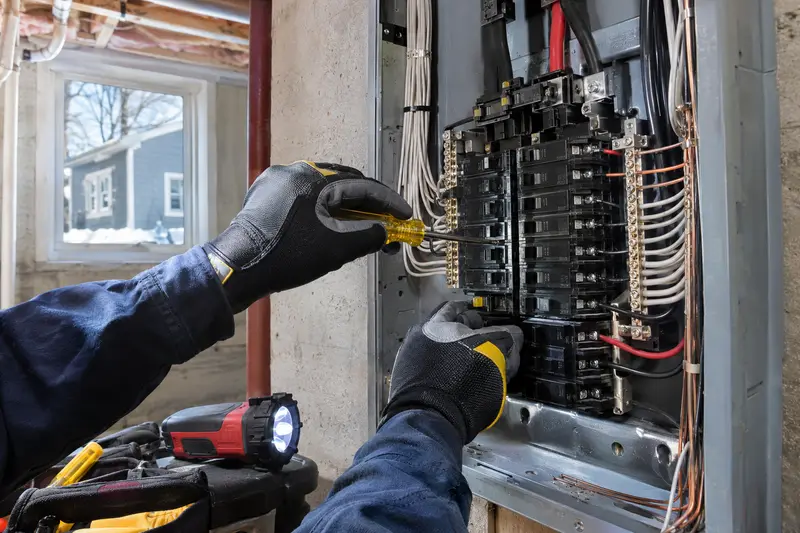
New circuit, disconnect, panel
Electrical permit
Inspector of Wires
Licensed electrician (towns say so, for example Revere and Peabody)
Installing regulated equipment
Building permit, where required
Building official
Ask the town. 780 CMR 105.1 requires a permit to install or alter equipment regulated by the code.
1QuotePermits namedThe written quote lists each permit and who files it.
2Before workContractor filesGas, oil burner, sheet metal, electrical. Most towns take these online.
3InstallWork startsOil lines sleeved, shutoffs and switches placed, combustion test run.
4InspectionContractor on siteThe licensed contractor meets the inspector. Boston: contact within 48 hours.
5Sign-offKeep the paperKeep permits and sign-offs. The rebate and a later sale can ask for them.
What the oil burner permit checks
Form 1 is the installer's certification that the work meets M.G.L. Chapter 148 and 527 CMR 1.00. Its checklist includes: an emergency shut-off outside the burner room; a separate circuit for the oil burner; an overhead thermal switch; a service switch within 3 feet of the burner; combustion test results; adequate combustion air; a draft regulator unless exempt; a listed oil filter; a tank gauge; an audible vent alarm on inside tanks; a thermal shutoff valve at the bottom of the tank. New oil lines must be continuously sleeved with non-metallic tubing, and a single unenclosed tank cannot be larger than 660 gallons. Only applications with original wet signatures are accepted. Details on tanks: oil tank removal and abandonment.
Carbon monoxide alarms
M.G.L. c. 148, section 26F1/2 requires working, approved carbon monoxide alarms in residential buildings that contain fossil-fuel burning equipment such as a furnace or boiler. The fire department head inspects for compliance when the home is sold or transferred and enforces the section. The Department of Fire Services says alarms go on every level, within 10 feet of bedroom doors on sleeping levels, and should be replaced every 5 to 7 years by make and model. Landlords must install and maintain alarms in every unit with a source of carbon monoxide.
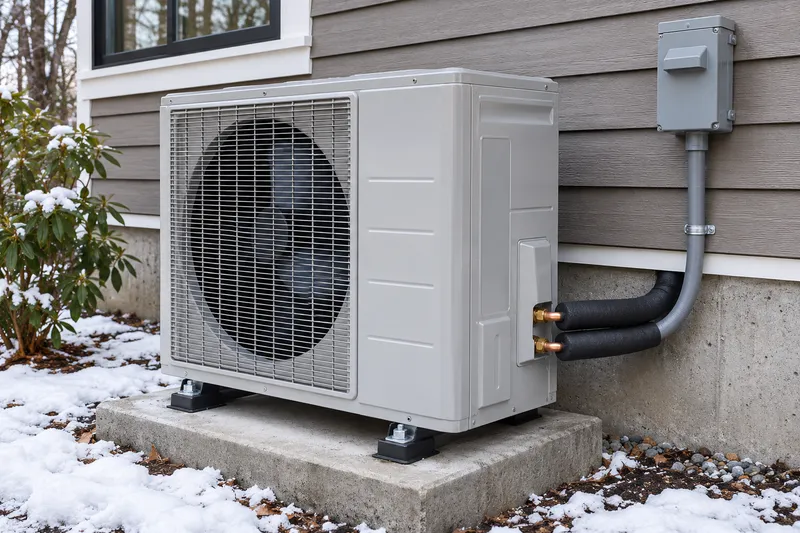
A heat pump swap still needs an electrical permit for its circuit and disconnect, and a building or mechanical permit where your town requires one. When a gas or oil unit comes out, ask the contractor which permit covers capping the old gas line or removing the oil line and tank. The Mass Save rebate does not replace any of them. See heat pumps and panel upgrades.
Permit office, town by town
Each card shows what the town's own page lists: department, address, phone, hours, portal and any posted fee for gas, plumbing, mechanical or oil burner work. If a line is missing, the town page did not state it, so call. Fees are as posted and change; the date on the fee schedule is shown where the town gave one.
Building Inspector's office hours: Mon 8 to 10 am and 4 to 6 pm, Tue to Fri 8 to 10 am
Gas, plumbing
Applications for plumbing, gas, electrical and sheet metal permits are accepted online from owner-occupants of 1 to 2 family homes or registered licensed contractors, with a Workers Compensation Affidavit.
Gas permit covers gas heater installation and replacement. Licensed contractors only. The contractor must be on site for the inspection, which ISD says it schedules within 48 hours.
Oil burner
Fire Department issues the oil burner permit (MGL 148-10A).
Fees
Gas, boilers, heaters and furnaces: $20, plus $50 each, plus $0.09 per 1,000 BTU
Plumbing: $20 plus $5 per fixture
Oil burner permit: $100 per instance; tank removal $110 (Fire Department schedule effective 9/22/2016, may be out of date)
City Hall: Mon, Wed, Thu 8:30 am to 4 pm, Tue 8:30 am to 8 pm, Fri 8:30 am to 12:30 pm
Gas, plumbing
Effective January 1, 2025, paper applications carry a $25 administrative fee. The ISD fee sheet lists plumbing, gas, mechanical and sheet metal separately.
City Hall, Room 115A, 85 George P. Hassett Drive, Medford, MA
Phone
781-393-2509Superintendent of Wires: 781-393-2485.
Hours
Mon, Tue, Thu 8:30 am to 4:30 pm, Wed 8:30 am to 7:30 pm, Fri 8:30 am to 12:30 pm
Gas, plumbing
Plumbing and gas permits are filed online through Citizenserve (mail is accepted but slower). State law requires licensed people for plumbing and gas work, and contractors register licenses with the city.
Electronic applications are available. In person: Mon to Thu 8 to 9:30 am or 1 to 2 pm, Fri 8 to 9:30 am, to the Building Inspector. The permit fee schedule is a PDF on the forms page.
Mon, Wed, Thu 7:30 am to 4 pm, Tue 7:30 am to 6 pm, Fri 7:30 to 11:30 am
Gas, plumbing
Plumbing and gas permits are issued to Massachusetts licensed plumbers and gas fitters only. Watertown follows the Massachusetts Fuel Gas and Plumbing Codes, 248 CMR.
Read from each town's own website on November 6, 2026. Where two reads of a town's page differed (Melrose and Revere phone numbers, Somerville and Revere hours), the newer page value is shown. Not in your town? Call your building department. The permits above are state rules, but each town runs its own counter.
Where Aurion takes the project
Aurion takes the project from the written quote to the finished job. The permits are named in the quote, and licensed Massachusetts technicians file them and meet the inspector. Send a photo of the old unit and one of the panel, with your town. Related: Boston electrical permits, boiler and furnace replacement.
Common questions
Do I need a permit to replace a furnace or boiler in Massachusetts?
Usually more than one. Gas piping and a gas boiler or furnace connection need a gas permit from the local plumbing inspector. An oil burner needs a fire department permit (Form 1). New ductwork needs a sheet metal permit from the building inspector, and new wiring needs an electrical permit. The state building code also requires a permit to install equipment it regulates. Your building department confirms what applies to your job.
Who pulls the permit?
The licensed trade does. Plumbing and gas permits are issued only to licensed plumbers or gas fitters, and sheet metal permits only to licensed sheet metal workers. An oil burner installer must hold an Oil Burner Technician certificate, and Form 1 says no other license is acceptable. Boston says homeowners must hire a licensed contractor to apply for the gas permit and do the work.
Can I pull my own gas or plumbing permit?
We found no state page that says so. State fact sheets say plumbing and gas permits are issued only to licensed plumbers, and several towns (Boston, Revere, Peabody, Watertown) say the same. Belmont's online system accepts some permit types from owner-occupants of 1 to 2 family homes. Ask your town.
Is the oil burner permit the same as a gas permit?
No. The oil burner permit is the Department of Fire Services Form 1, which becomes a permit once the local fire department signs it. A gas permit comes from the local plumbing inspector.
Does the state inspect my residential boiler?
The Department of Fire Services boiler program says non-residential boilers and pressure vessels must be registered and inspected. Residential work is inspected locally, through the permits above.
Do I need a carbon monoxide alarm when I replace the heater?
State law requires working approved CO alarms in any residential building with fossil-fuel burning equipment such as a furnace or boiler, and the head of the fire department inspects for compliance when the home is sold or transferred. We did not find a rule requiring an official to verify alarms at the moment of a furnace replacement, so ask your inspector.
What happens if the work is done without a permit?
It depends on the town. Winchester's fee schedule, for example, says the fee is doubled for work started without a permit. The risk is also practical: an unpermitted install has no inspector sign-off to show a buyer or an insurer.
How long does the inspection take?
It varies. Boston says an inspector will contact you within 48 hours to schedule the gas inspection and that the licensed contractor must be on site. Several towns post short inspector office hours, such as Winchester's 8 to 9 am. Your contractor books it.
Do heat pumps need different permits?
An electrical permit for the new circuit and disconnect, and a building or mechanical permit where your town requires one. Cambridge lists a Mechanical Permit application and an electrical permit under the Massachusetts Electrical Code. Mass Save's rebate does not replace local permits.